

Laser Cutting and Folding for Finished Sheet Metal Parts
Laser cutting and folding at Wards gives customers a complete route from flat CAD geometry to accurate formed components. We cut brackets, trays, panels, guards, channels, covers and fabrication parts, then fold them in-house so you can buy a finished sheet metal component rather than coordinating two separate suppliers.
Laser Cutting and Folding at a Glance
Laser Cutting and Folding Under One Roof
Our laser cutting and folding service is designed for customers who need more than a flat profile. Many sheet metal components only become useful after forming, so combining the two processes removes an unnecessary handoff between suppliers.
Wards uses an in-house 6kW Esprit Photon HD fibre laser with a 4000 × 2000mm cutting area, allowing us to produce accurate blanks from mild steel, stainless steel and aluminium before moving suitable parts into press brake folding.
The advantage of laser cutting and folding is continuity. The same manufacturing team can review the flat geometry, bend positions, flange sizes and downstream fabrication requirements before the job reaches production.
This is particularly useful for brackets, trays, channels, guards, panels and fabricated components where the cut profile and bend geometry need to work together. If the part later needs welding or machining, Wards can also review those operations as part of the same manufacturing route.
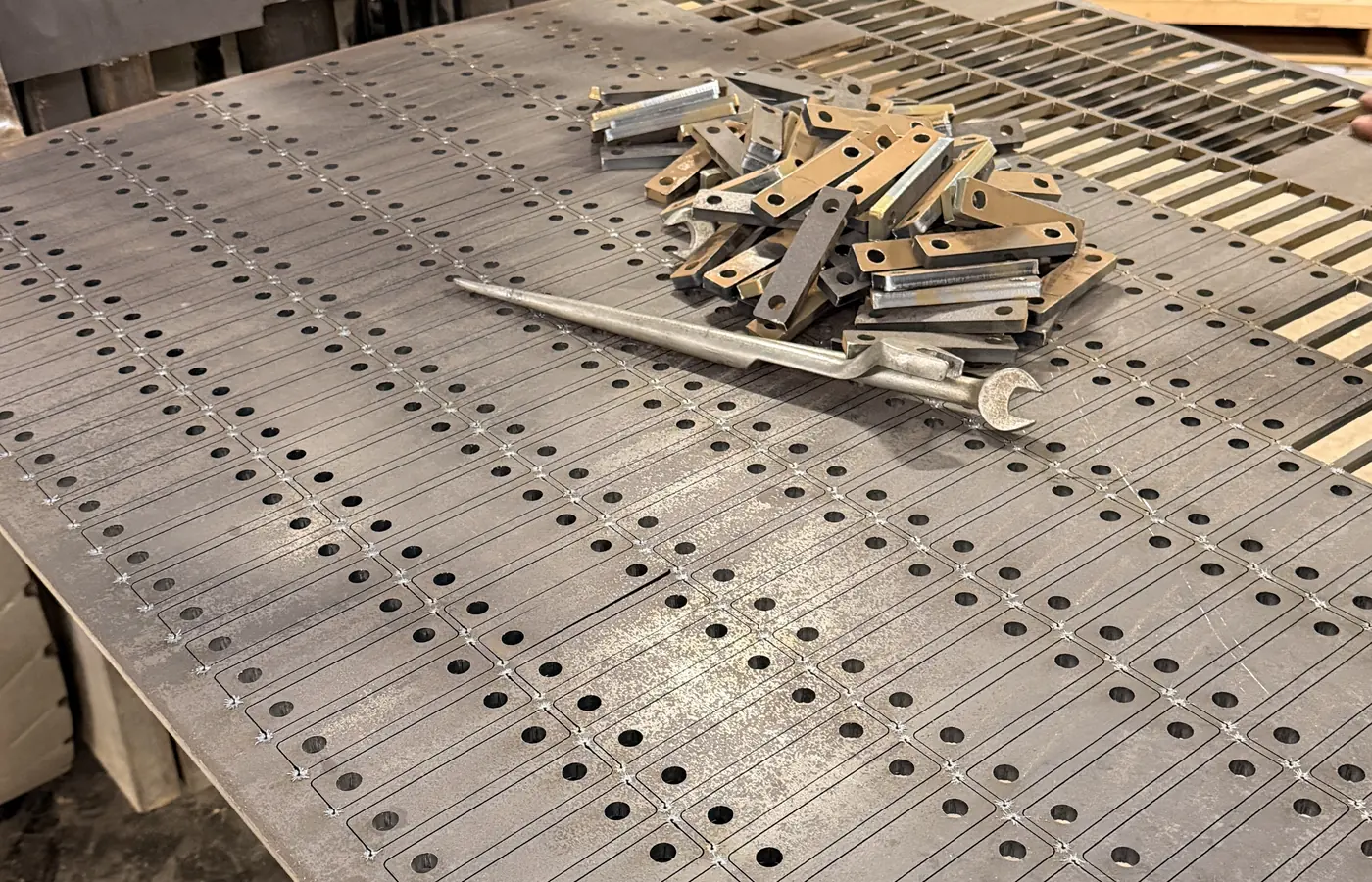
Six Ways We Use Laser Cutting and Folding
Different parts require different manufacturing routes. Our laser cutting and folding capability can support everything from one-off development brackets to repeat batches of formed production components.
Folded Brackets
Laser-cut blanks can be formed into support brackets, mounting brackets, equipment brackets and structural interface parts with holes, slots and bend lines incorporated into the design.
Trays & Channels
Laser cutting and folding is ideal for trays, channels, shallow boxes and U-shaped components where repeatable bends are required after profiling.
Panels & Covers
Machine panels, equipment covers and enclosure parts can be cut with apertures, slots and fixing holes before folding into their finished geometry.
Guards
Protective guards and access panels often require both accurate internal features and formed flanges. Combining the two processes can reduce alignment issues later in fabrication.
Prototype Components
For development work, laser cutting and folding allows new sheet metal designs to be produced without dedicated blanking tooling, making design changes easier between revisions.
Repeat Production
Once the design is approved, the same manufacturing route can support recurring batches where cut geometry and bend positions need to remain consistent.
Parts Suited to Laser Cutting and Folding
The biggest advantage of laser cutting and folding is that flat sheet can be transformed into practical formed parts within one manufacturing workflow.
L-Brackets
Simple folded brackets with laser-cut holes, slots and shaped edges for machinery, fixtures, supports and installation work.
U-Brackets
Two-bend channels and brackets used for supports, covers, housings, equipment mounts and fabrication assemblies.
Trays
Sheet metal trays with laser-cut corners, mounting holes and folded edges for industrial, electrical and machine-building applications.
Machine Panels
Panels can include openings, fixing patterns, ventilation slots and folded edges before being installed into equipment or larger fabrications.
Guards & Covers
Laser cutting and folding provides a controlled route for guards and covers that need both detailed flat geometry and formed edges.
Fabrication Components
Folded plates and brackets can continue into welding and assembly where the final requirement is a larger fabricated item rather than an individual sheet metal component.
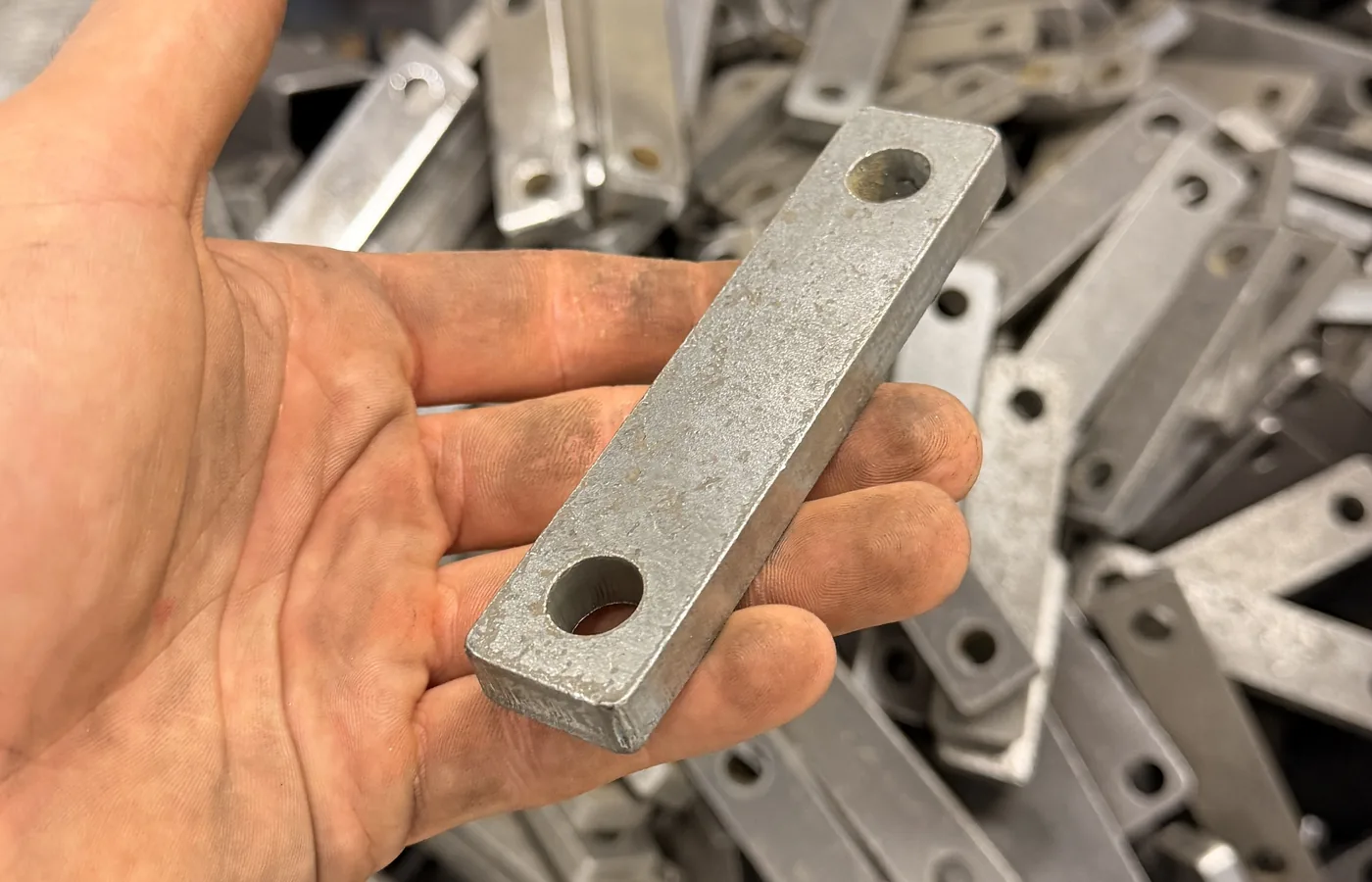
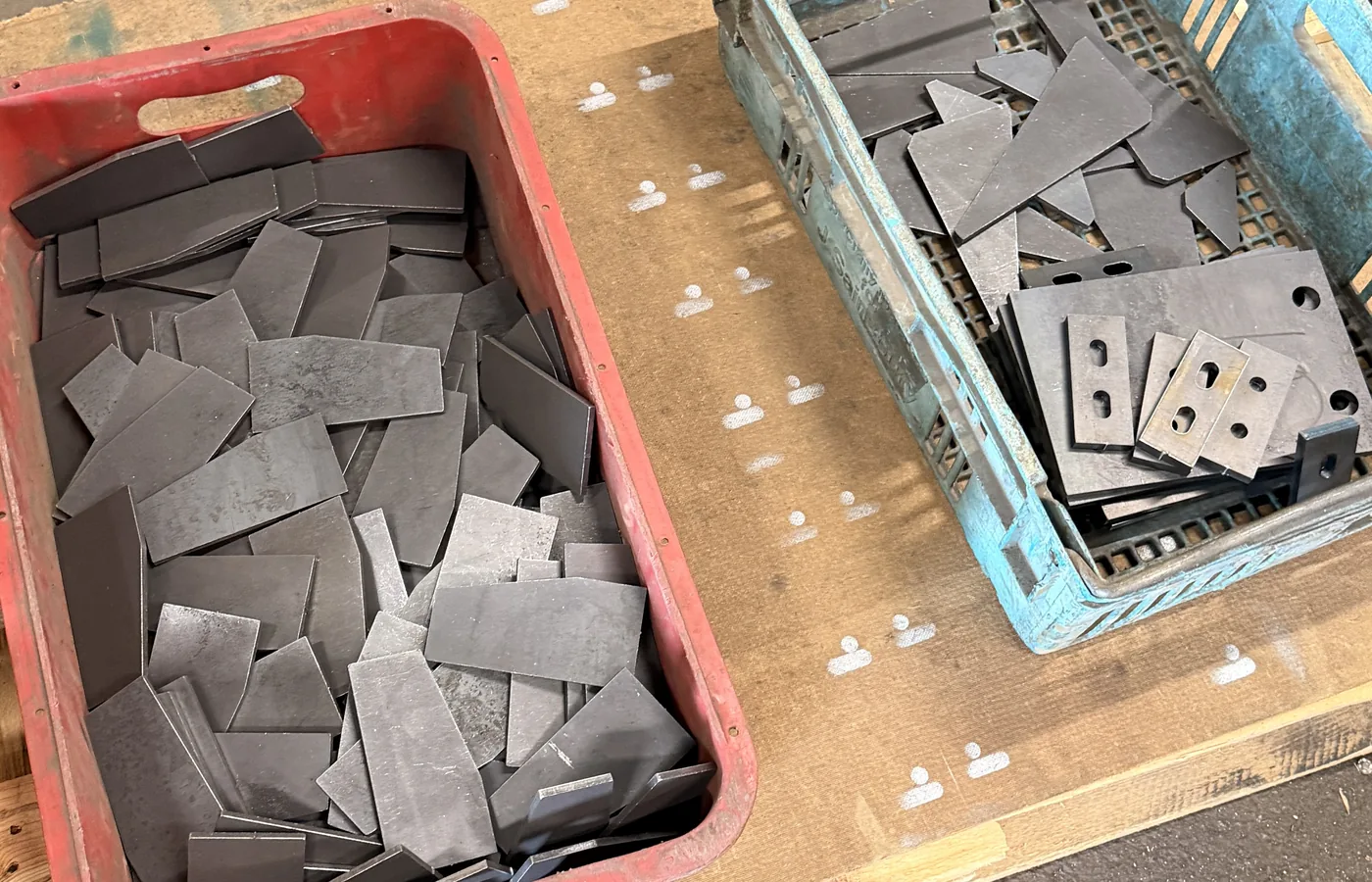
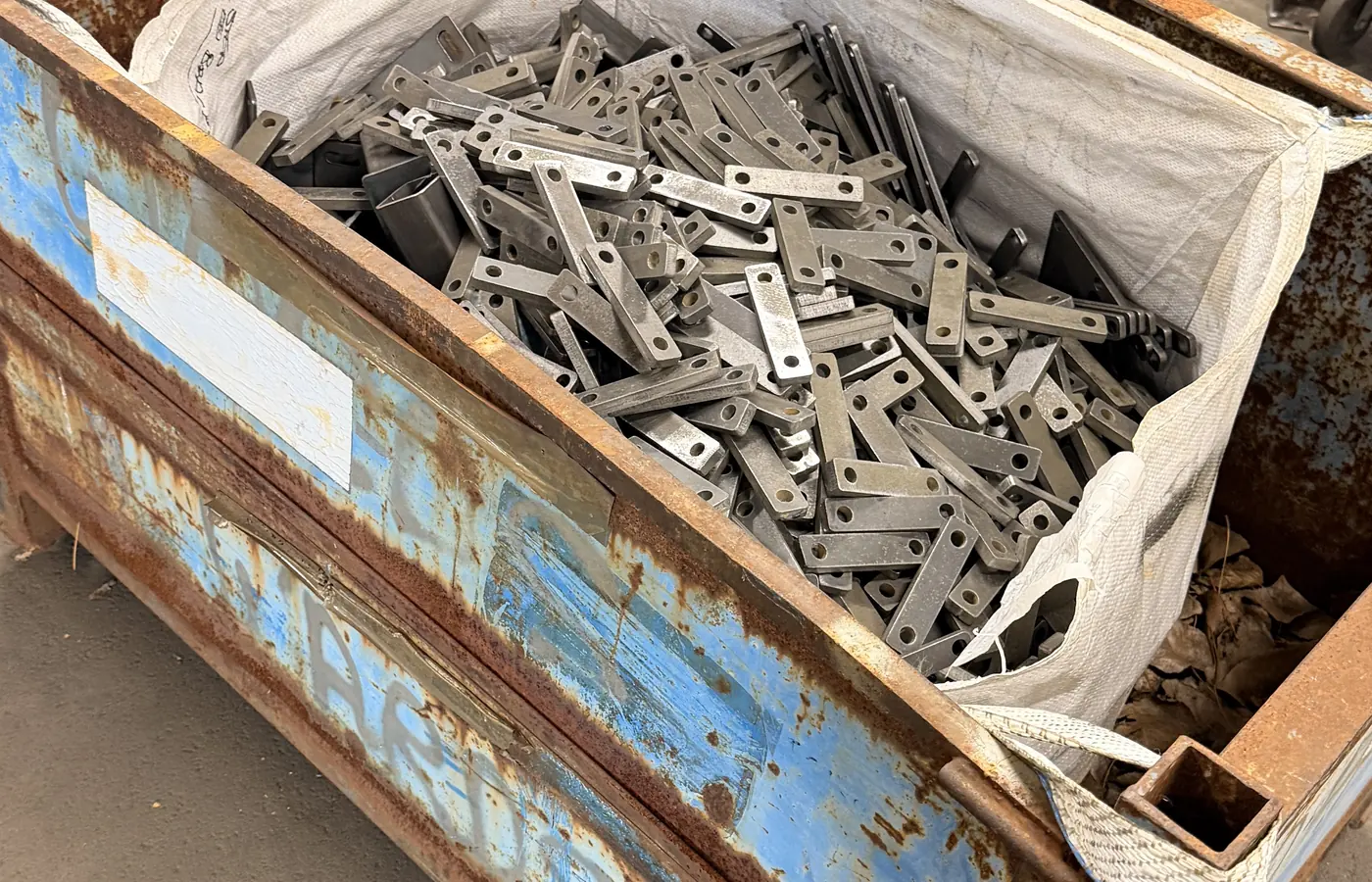
Designing Parts for Laser Cutting and Folding
A flat profile that looks correct on screen can still create problems once bends are introduced. Successful laser cutting and folding depends on the relationship between material thickness, bend radius, flange size, hole positions and final dimensions.
Where possible, provide a formed 3D model together with a controlled drawing rather than sending only a flat DXF. The model helps us understand the finished component while the drawing communicates dimensions, tolerances, material requirements and bend information.
Bend allowances and deductions affect the flat pattern. If the supplied DXF has been generated from your own sheet metal CAD model, tell us whether you expect Wards to manufacture from that flat pattern exactly or whether you want us to review the formed geometry before production.
For laser cutting and folding, holes positioned very close to a bend can distort during forming. Slots, apertures and cut-outs may also need enough clearance from the bend zone. These are design-for-manufacture considerations rather than purely laser-cutting issues.
Small flanges can also be difficult to form depending on material, thickness, tooling and bend geometry. If a design is still in development, involving the manufacturer before final release can prevent a theoretically correct part becoming unnecessarily difficult to produce.
Where the folded component will later be welded into an assembly, we can also consider access, joint geometry and sequence. The most efficient part is not always the one with the fewest bends; sometimes a small design change can simplify both forming and fabrication.
Laser Cutting and Folding in Mild Steel, Stainless Steel & Aluminium
Material selection affects both the cutting and forming stages. Our core laser cutting and folding work uses mild steel, stainless steel and aluminium, with each material behaving differently under bending.
Mild Steel
Mild steel is widely used for brackets, guards, trays, structural supports and general fabrication components. It is well suited to many cut-and-fold applications where strength and weldability are important.
Stainless Steel
Stainless is commonly used for panels, guards, equipment parts and components exposed to moisture or cleaning. Laser cutting and folding can be combined with TIG welding for suitable stainless fabrications.
Aluminium
Aluminium is useful for lightweight panels, enclosures, covers and brackets. Alloy, thickness and bend direction can affect forming behaviour, so clear material information is important.
For machine-specific cutting thickness information, visit our fibre laser cutting page.
Laser Cutting and Folding for Industrial Manufacturing
Formed sheet metal components are used throughout industrial equipment and manufacturing. Our laser cutting and folding service supports customers who need finished parts rather than flat profiles.
Machinery & Automation
Machine guards, sensor brackets, access panels, mounting plates, trays and covers for production machinery and automation systems.
HVAC & Building Services
Equipment supports, brackets, trays, panels and folded components used around mechanical and electrical installations.
OEM Manufacturing
Repeat laser cutting and folding for production components that form part of a larger finished product or assembly.
Fabrication
Folded blanks supplied ready for welding can reduce preparation time and improve consistency before assembly.
Construction & Plant
Guards, brackets, covers, reinforcement parts and folded sheet-metal components for machinery and site equipment.
General Engineering
Custom formed parts for repair work, product development, machine upgrades and repeat production requirements.
Laser Cutting and Folding from Milton Keynes
Wards Welding & Fabrications provides laser cutting and folding from our Milton Keynes workshop, supporting customers across Milton Keynes, Bedford, Northampton, Buckingham, Aylesbury, Leighton Buzzard, Towcester and surrounding industrial areas.
Suitable production and subcontract work can also be supplied to customers further across the UK. The important part is not where the drawing originated, but whether the component suits our cutting, forming and downstream manufacturing capability.
Local customers benefit from having laser cutting, folding, welding, machining and fabrication available from one workshop. This can simplify communication where a part needs several operations before it is ready for installation or assembly.
What to Send for a Laser Cutting and Folding Quote
To quote laser cutting and folding correctly, we need to understand both the flat profile and the finished formed component.
1. 3D Model
A STEP or suitable 3D model showing the finished folded shape is extremely useful, particularly for parts with several bends or complex geometry.
2. DXF Flat Pattern
If you already have a controlled flat pattern, send the DXF together with the formed model and drawing. Clearly identify the correct revision.
3. PDF Drawing
Include overall dimensions, tolerances, bend angles, material, thickness, finish requirements and any critical dimensions after forming.
4. Material
State the exact grade and thickness. Material choice affects both laser cutting parameters and folding behaviour.
5. Quantity
Tell us whether the job is prototype, low-volume or repeat production. The approach to laser cutting and folding may differ depending on quantity and future demand.
6. Further Operations
Identify welding, machining, tapping, finishing or assembly requirements so we can review the complete manufacturing route.
Best enquiry package
STEP + DXF + PDF + material + thickness + quantity + required date
Upload files through our quote page or email sales@wards-welding.com.
Why Use Wards for Laser Cutting and Folding?
Using one supplier for both processes reduces unnecessary handoffs and gives the manufacturer greater visibility of how the flat profile becomes the finished component.
Cut & Fold In-House
Both processes are managed within Wards, allowing the job to move directly from laser cutting into forming without leaving the workshop.
Fabrication Experience
Our team understands how folded components are used in welded frames, guards, assemblies and machinery, not just how they look as flat profiles.
One Purchasing Route
Laser cutting and folding can be quoted together, reducing the need to raise separate orders and transport parts between suppliers.
Further Processing
Add welding, CNC machining and fabrication where the finished component requires more work.
Prototype to Repeat
We can support early development parts and later production batches, making it easier to keep the manufacturing route consistent as a design matures.
Large Laser Platform
The 4000 × 2000mm laser bed provides capacity for larger blanks and efficient nesting of multiple folded components.
Why Combining Laser Cutting and Folding Can Simplify Production
If flat parts are laser cut by one company and folded by another, the second supplier receives a component they did not program or manufacture. If something is wrong with the bend position, flat pattern or material specification, responsibility can become unclear.
Keeping laser cutting and folding together gives the same manufacturing team visibility of both stages. If there is a question about bend allowance, flange length or geometry, it can be reviewed before the blank is cut rather than discovered after the parts reach another workshop.
Transport and handling are also reduced. Parts do not need to be packed, moved, booked in and re-issued between cutting and folding operations. For repeat production this can save unnecessary administration as well as physical handling.
For buyers, one quotation and one purchase order can also make the job easier to manage. Where welding or machining is required afterward, Wards can potentially extend the same route further and supply a more complete component.
The biggest benefit is not simply convenience. A combined laser cutting and folding process gives the manufacturer more context about the final part, which can help identify design issues before material is committed.
Our Six-Step Laser Cutting and Folding Process
Drawing Pack
Provide 3D model, DXF, drawing, material, thickness, quantity and delivery requirement.
Manufacturing Check
We review the laser cutting and folding requirement, including bends, flange sizes and downstream operations.
Complete Route
The quotation covers cutting, folding and any additional agreed manufacturing processes.
Cutting & Bend Setup
Approved parts are programmed for laser cutting and prepared for the required folding sequence.
Cut Then Fold
The flat blanks are produced before moving into press brake forming.
Inspect & Continue
Parts are checked and supplied as formed components or moved into welding, machining or fabrication.
Laser Cutting and Folding FAQs
What is laser cutting and folding?
Laser cutting and folding combines CNC fibre laser profiling with press brake forming. A flat blank is cut from sheet material and then bent into the required three-dimensional component.
Can you cut and fold parts in the same workshop?
Yes. Wards manages both processes in-house, allowing suitable parts to move from the fibre laser into our folding capability without being sent to another supplier.
What parts can you manufacture?
Typical work includes brackets, trays, channels, panels, guards, covers, mounting parts and fabrication components.
What files should I send?
For laser cutting and folding, a STEP or similar 3D model, DXF flat pattern and controlled PDF drawing provide the clearest manufacturing information.
Can you help with bend allowances?
We can review manufacturing geometry against the intended formed component. If you are supplying your own flat pattern, clearly identify whether it is approved for manufacture or requires review.
Can you produce prototype parts?
Yes, subject to suitability. The process works well for development components because changes can often be made digitally without dedicated blanking tooling.
Can you manufacture repeat batches?
Yes. Once geometry is approved, laser cutting and folding can be used for recurring production components and repeat manufacturing requirements.
Can you weld the folded parts afterward?
Yes. Wards provides MIG and TIG welding and can continue suitable formed parts into fabrication and assembly.
What materials do you use?
Our core materials are mild steel, stainless steel and aluminium. Always specify the exact grade and thickness on your enquiry.
Where is Wards based?
Wards Welding & Fabrications operates from Milton Keynes and supplies suitable laser-cut and folded work to businesses across the surrounding region and wider UK.
Need a Laser Cutting and Folding Quote?
Send Wards your 3D model, DXF, PDF drawing, material, thickness and quantity. We can quote laser cutting and folding as one manufacturing route and include welding, machining or fabrication where required.