
3D Printing Milton Keynes for Industrial Parts, Production Runs and Engineering Support
3D printing Milton Keynes for prototypes, jigs, fixtures, replacement parts and repeat production. We run 1× Bambu Lab X1E, 2× Bambu Lab A1 printers and filament drying in-house — and we are open to investing in more equipment when a genuine production requirement needs it.
Watch Wards 3D printers in action
See our printers, production runs and real additive manufacturing work in action.
See what we are actually producing
Upload your STL, STEP, STP or 3MF file
Send your 3D printing file directly to Wards for a quote. Upload an STL, STEP, STP or 3MF file, then add your material, quantity and project notes so we can review the job properly.
Request a Quote
Need welding, fabrication, CNC machining, folding, 3D printing, repairs, site work or general metalwork? Upload your CAD file, drawing, photo, project document or zipped folder and send the details to Wards for a quote.
3D printed parts we have actually made
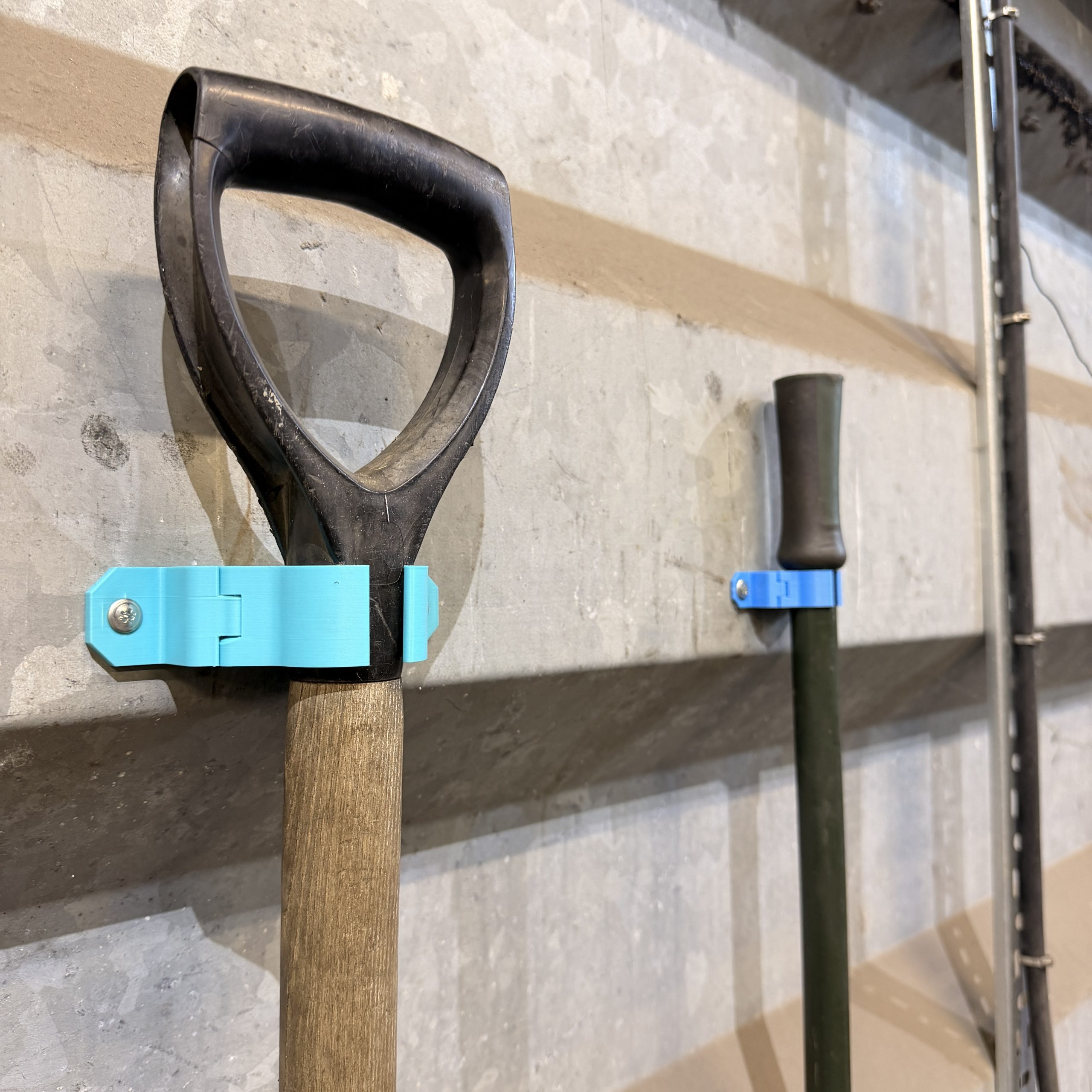
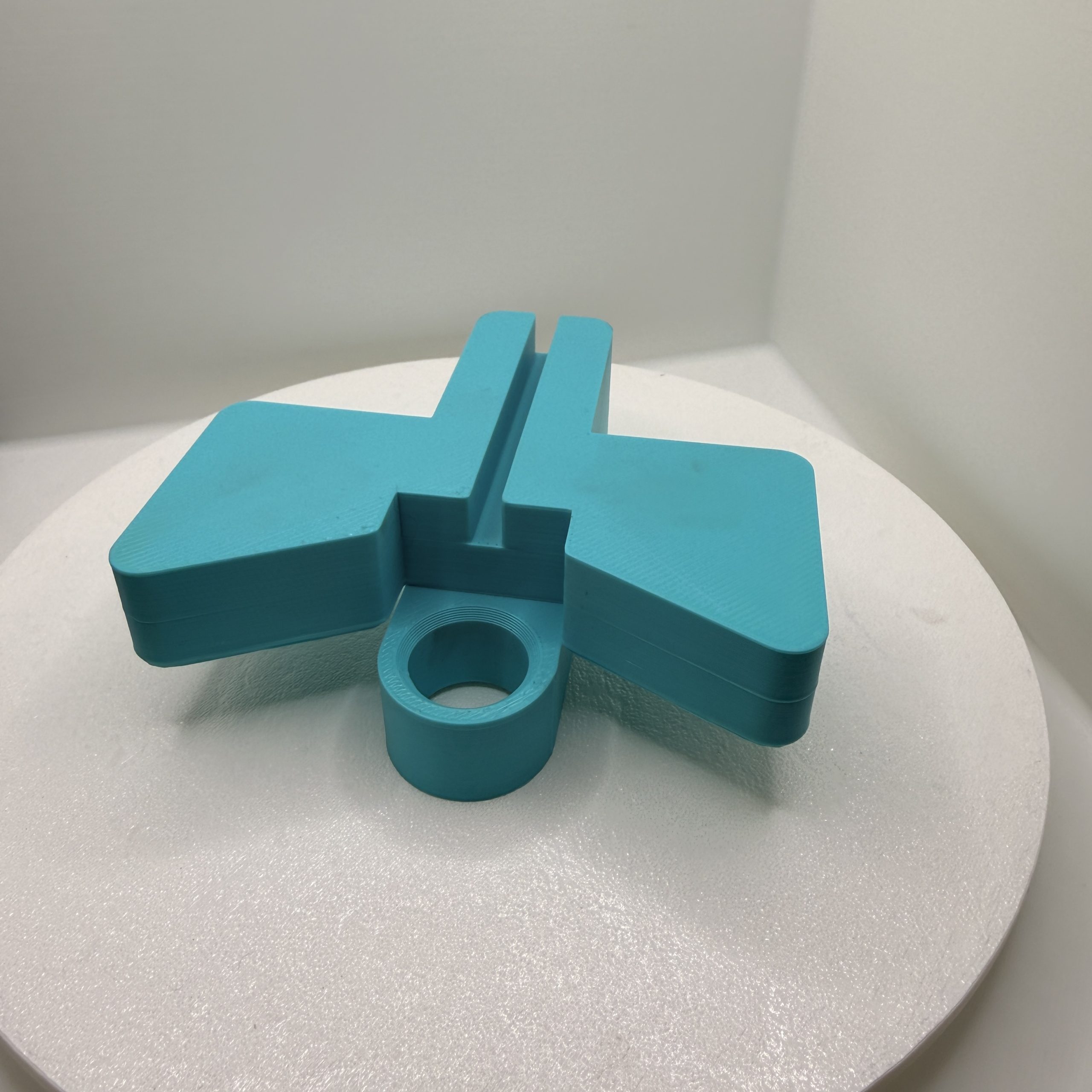
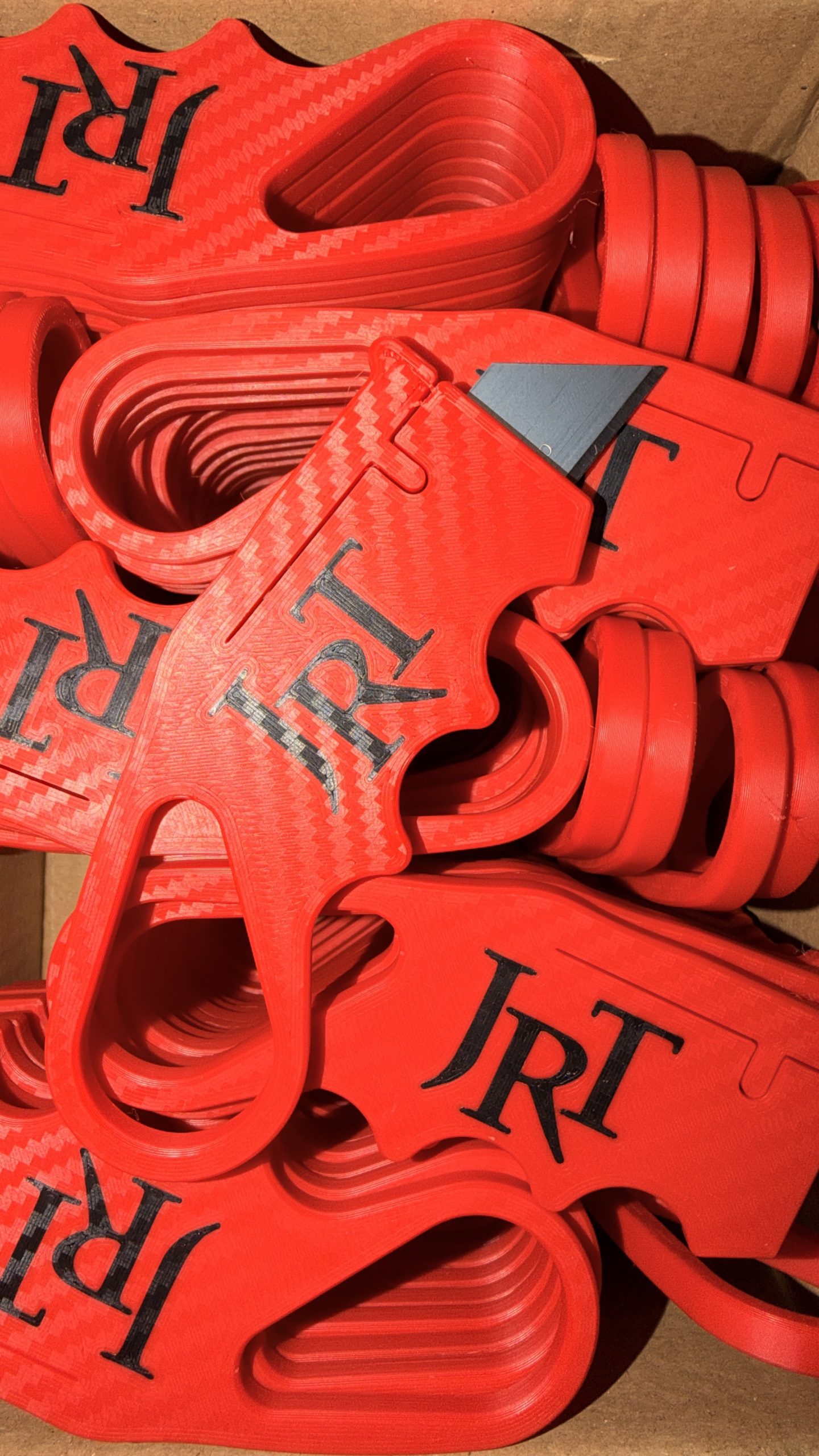
The best proof of our 3D printing Milton Keynes capability is the work leaving the workshop. The live gallery below pulls through real Wards projects including production aids, jigs, replacement components, wear parts, high-temperature tags and low-volume customer products.

3D PRINTED JIG FOR NUCLEAR COMPONENT MANUFACTURING
THE JIG HELPED IMPROVE REPEATABILITY AND PART LOCATION DURING THE CUSTOMER’S PROCESS. IT REDUCED THE NEED FOR MANUAL POSITIONING, HELPED PROTECT COMPONENTS FROM DAMAGE, AND PROVIDED A MORE CONSISTENT METHOD OF HANDLING OR CHECKING NUCLEAR-RELATED PARTS.
PLA / SELF-COLOUR
Made using: Bambu Lab X1E
View Work Produced →
SPACER WEAR PLATE
Steel wear plates and spacers used on agricultural machinery can cause excessive wear, corrosion and unnecessary weight. This custom PA6-GF (glass fibre reinforced nylon) spacer wear plate provides excellent wear resistance, reduces friction, eliminates corrosion and protects expensive farm equipment from premature damage while extending service life.
PA6-GF / SELF-COLOUR
Made using: Bambu Lab X1E
View Work Produced →
MOTORCYCLE ENGINE BLOCKS
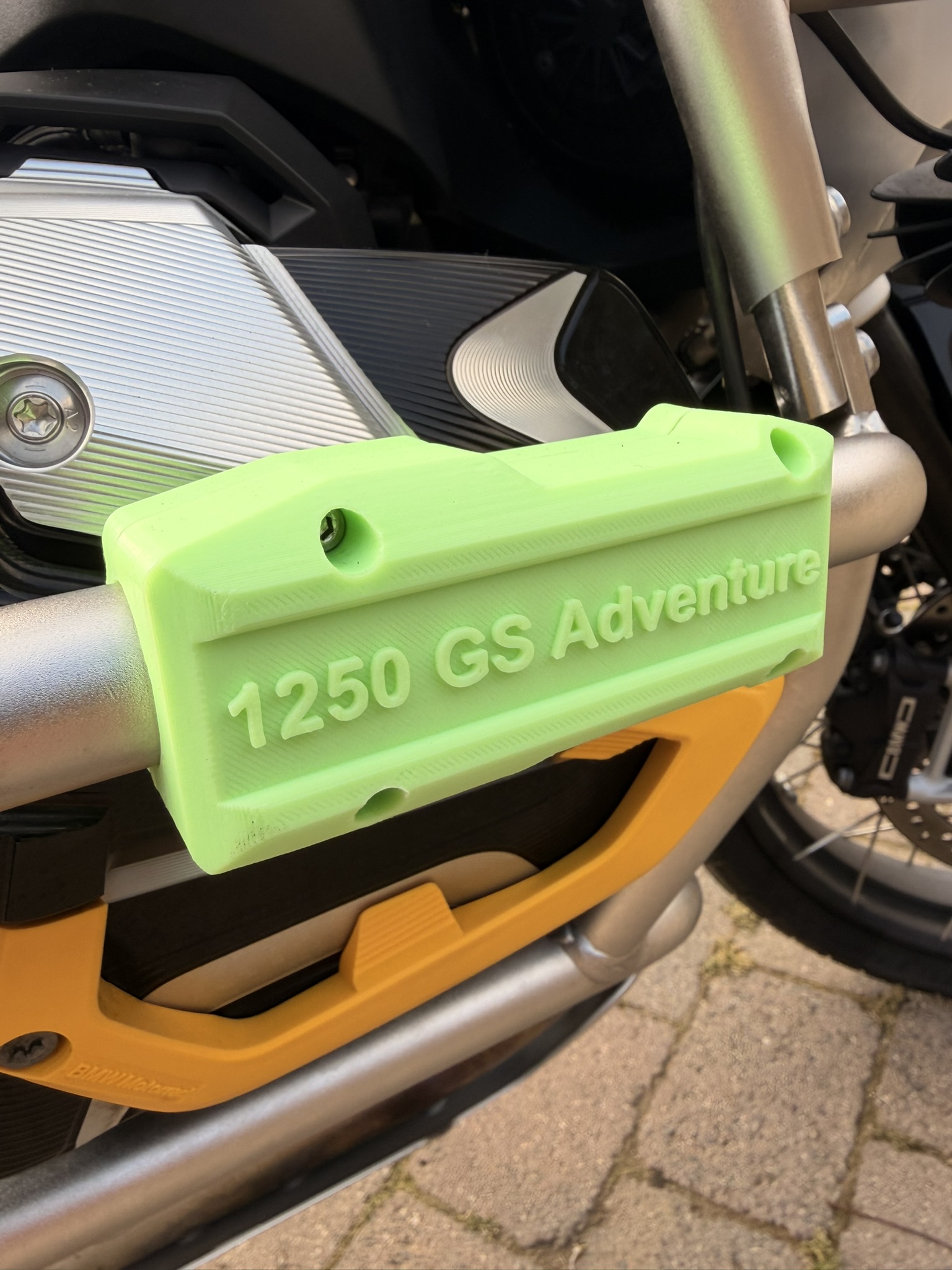
Motorcycle engine blocks and crash protection parts are often difficult or expensive to replace when they are damaged. These custom 3D printed parts provide a fast, cost-effective way to produce replacement, prototype or protective components for crash repair, fitment testing and restoration work.
Other / SELF-COLOUR
Made using: Bambu Lab X1E
View Work Produced →
ROOFING TRIM SPACER
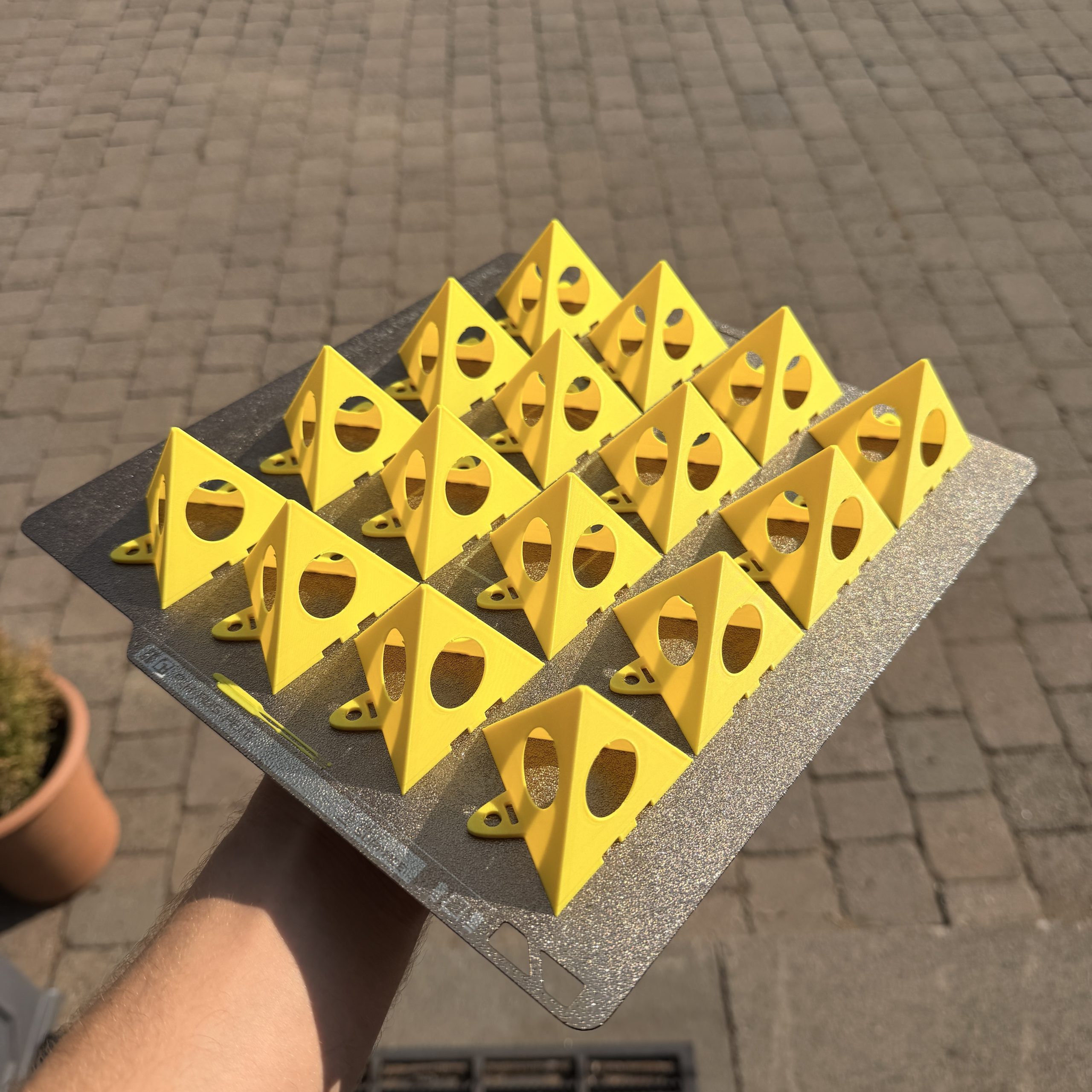
Traditional roofing trim spacers can be difficult to source in the correct size, leading to inconsistent spacing, poor alignment and longer installation times. This custom 3D printed spacer ensures accurate, repeatable positioning of roofing trims, improving the finished appearance while speeding up installation and reducing fitting errors.
PLA / SELF-COLOUR
Made using: Bambu Lab X1E
View Work Produced →
TINY FLOWER POTS
Small plant pots can be expensive to source in custom sizes, and standard designs often don't suit promotional, decorative or indoor planting applications. These custom 3D printed flower pots provide a cost-effective, fully customisable solution that can be produced in any size, shape or colour with rapid turnaround.
PLA
Made using: Bambu Lab X1E
View Work Produced →
CONVEYOR GUIDES
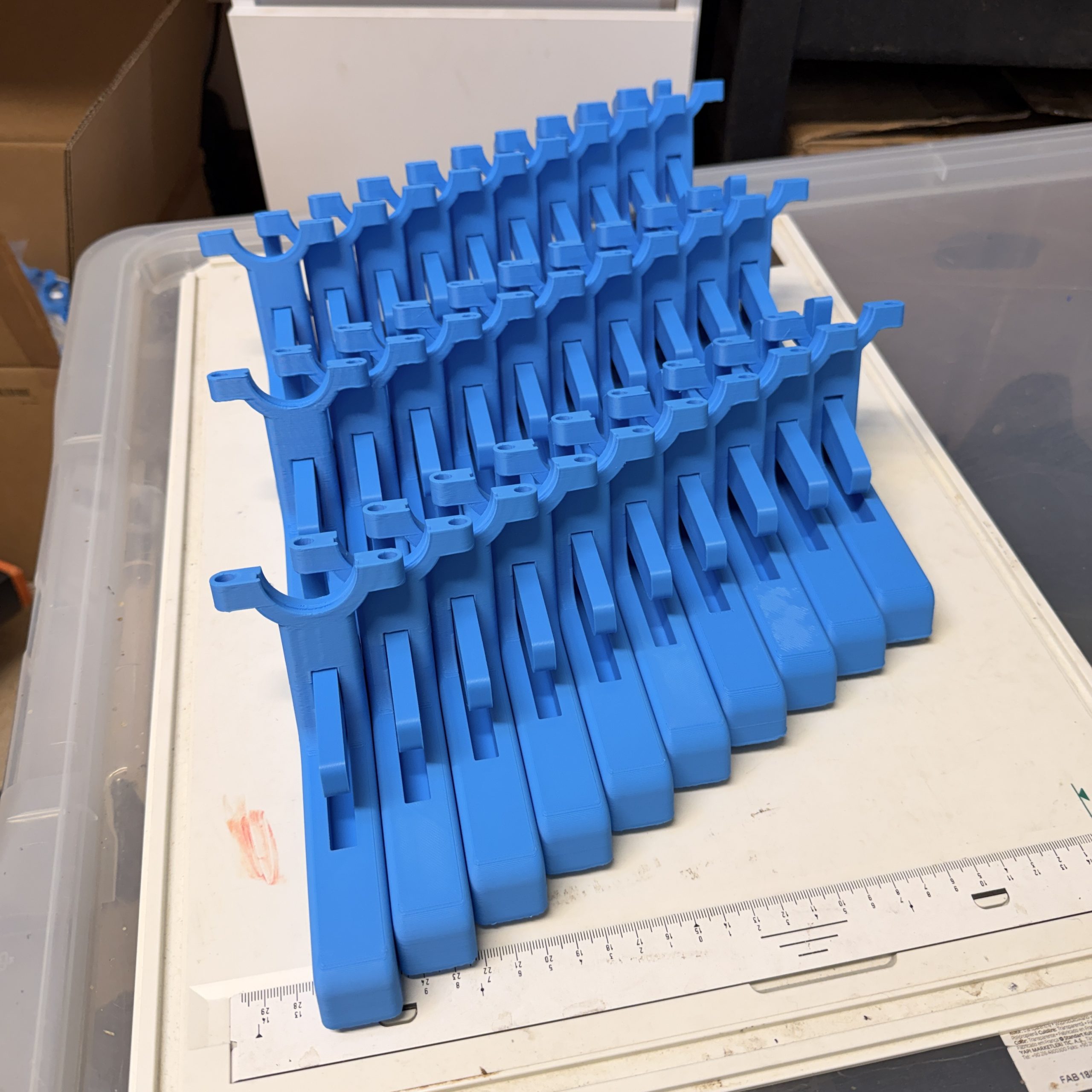
Many production lines use standard conveyor guides that wear quickly, allow products to move out of position, or are unavailable for unique product sizes. These custom 3D printed conveyor guides provide precise product alignment, reduce jams and misfeeds, minimise product damage, and can be rapidly manufactured and replaced without the cost or lead time of traditional machined components.
PLA
Made using: Bambu Lab X1E
View Work Produced →
LENS TRAY PAPERWORK INSERTS
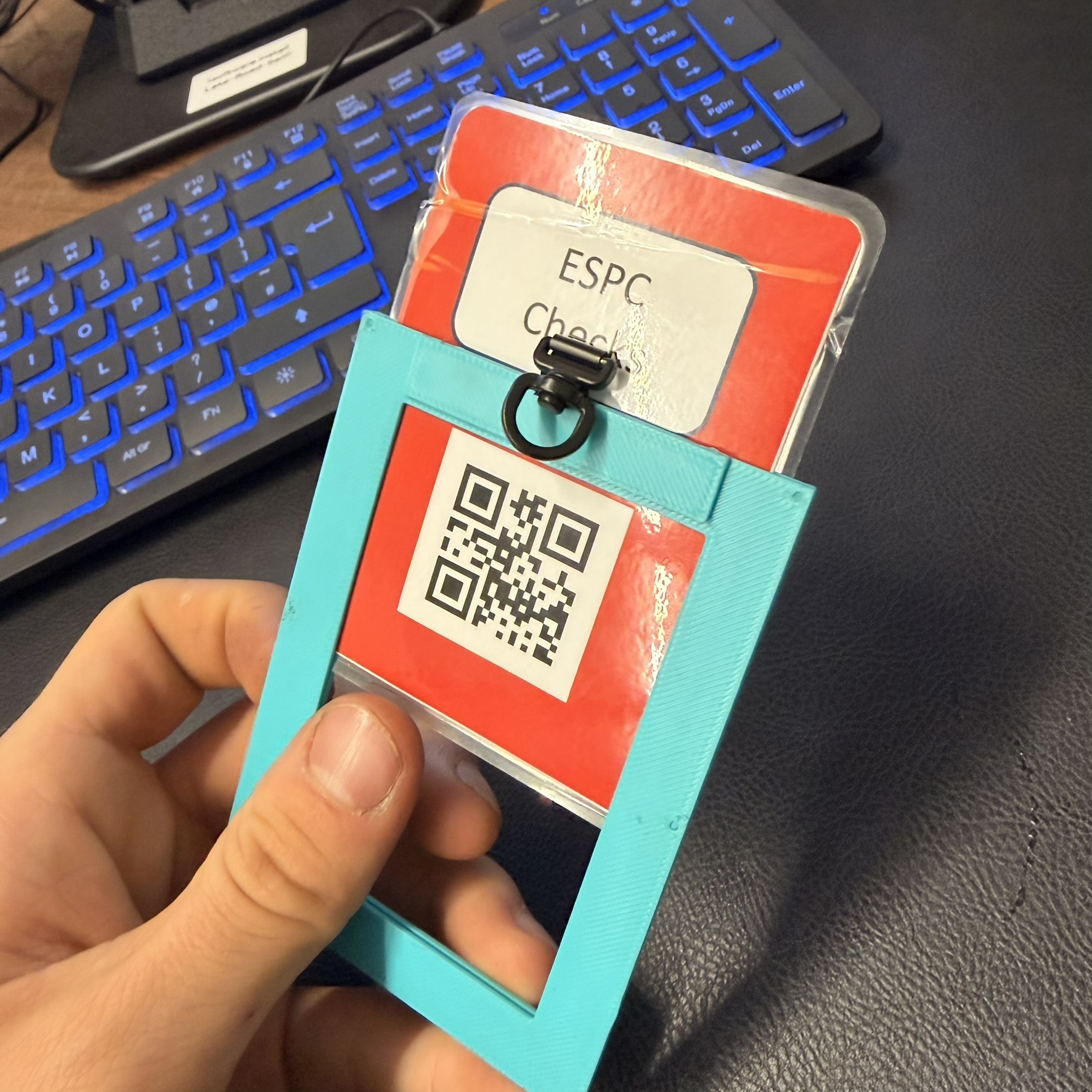
Lens manufacturing trays often need paperwork, labels or job cards kept with the correct batch, but loose documents can get lost, damaged or mixed up during production. These custom tray inserts securely hold the paperwork in place, helping operators identify jobs quickly, reduce mistakes, and keep each tray organised throughout the manufacturing process.
PLA
Made using: Bambu Lab X1E
View Work Produced →
VINTAGE MOTORBIKE ENGINE COVER
Original vintage motorbike engine covers are often cracked, corroded, discontinued or impossible to source. Using 3D scanning and additive manufacturing, a replacement can be accurately reproduced for prototyping, restoration or pattern making, reducing downtime and preserving classic motorcycles.
PLA
Made using: Bambu Lab X1E
View Work Produced →
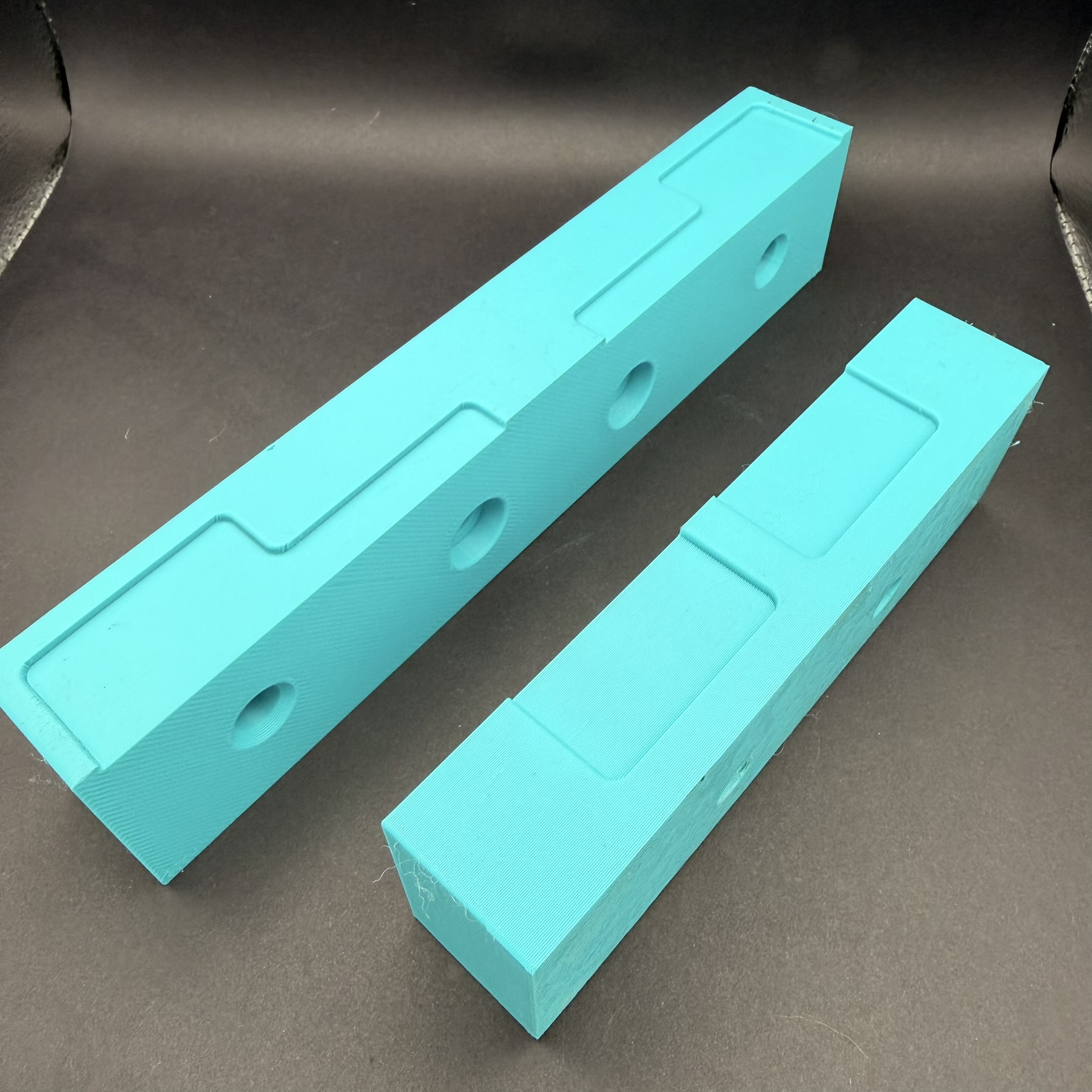
CNC Soft Jaws
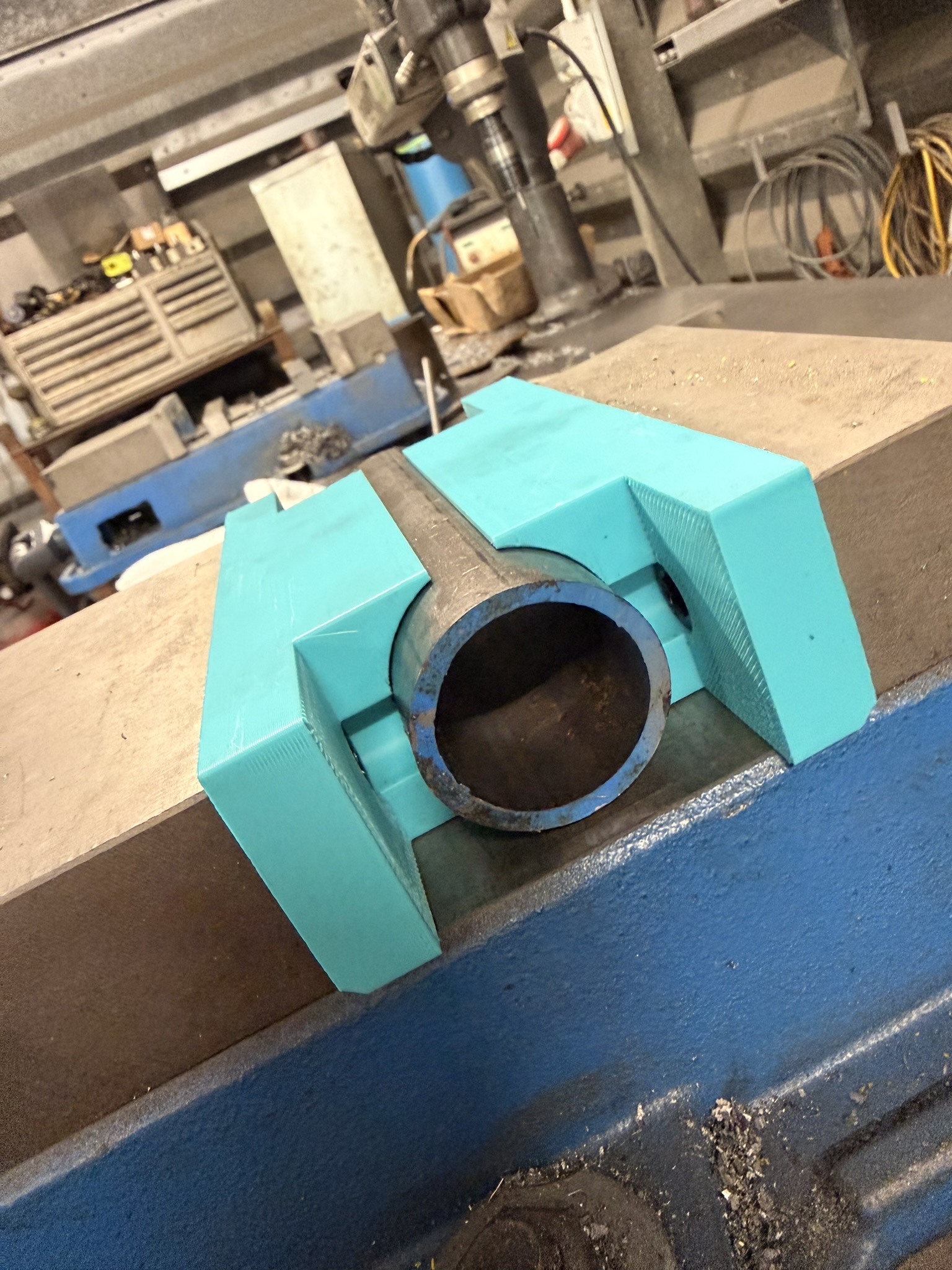
Standard metal vice jaws can mark, deform or fail to securely grip aluminium components, especially parts with complex shapes or finished surfaces. These custom 3D printed jaws provide a precise, part-specific fit that prevents movement during machining, protects the aluminium from damage, reduces setup time, and improves machining accuracy while lowering tooling and fixture costs.
PLA
Made using: Bambu Lab X1E
View Work Produced →
OVEN TRAY TAGS
Nylon oven tray tags solve a common problem in lens manufacturing by making production trays instantly identifiable throughout the manufacturing process, even when exposed to high oven temperatures. Traditional paper labels, adhesive stickers and marker pen markings can fade, peel off, become illegible or contaminate the process, leading to confusion, delays and costly mistakes.
PA6-GF
Made using: Bambu Lab X1E
View Work Produced →Nuclear Component Manufacturing Jig
Purpose-built printed jig used to improve repeatability, part location and handling during a manufacturing process.
View case study ->Production LineCustom Conveyor Guides
Made to improve alignment, reduce product movement and provide a fast replacement route for production equipment.
View case study ->CNC Tooling3D Printed CNC Soft Jaws
Part-specific soft jaws produced to hold aluminium components securely without marking finished surfaces.
View case study ->Replacement PartVintage Motorbike Engine Cover
A replacement for an obsolete component, demonstrating how additive can support restoration, fit checking and pattern development.
View case study ->Manufacturing AidLens Tray Paperwork Inserts
Custom inserts used to keep production paperwork matched to the correct manufacturing trays and improve traceability.
View case study ->High TemperatureOven Tray Identification Tags
PA6-GF identification parts developed for manufacturing trays exposed to elevated process temperatures.
View case study ->AgricultureSpacer Wear Plate
Glass-fibre reinforced nylon component designed as a lightweight, corrosion-resistant wear and spacer solution.
View case study ->Installation AidRoofing Trim Spacers
Repeatable spacers made to make on-site trim positioning faster and more consistent for the installer.
View case study ->More real 3D printed customer work from our workshop
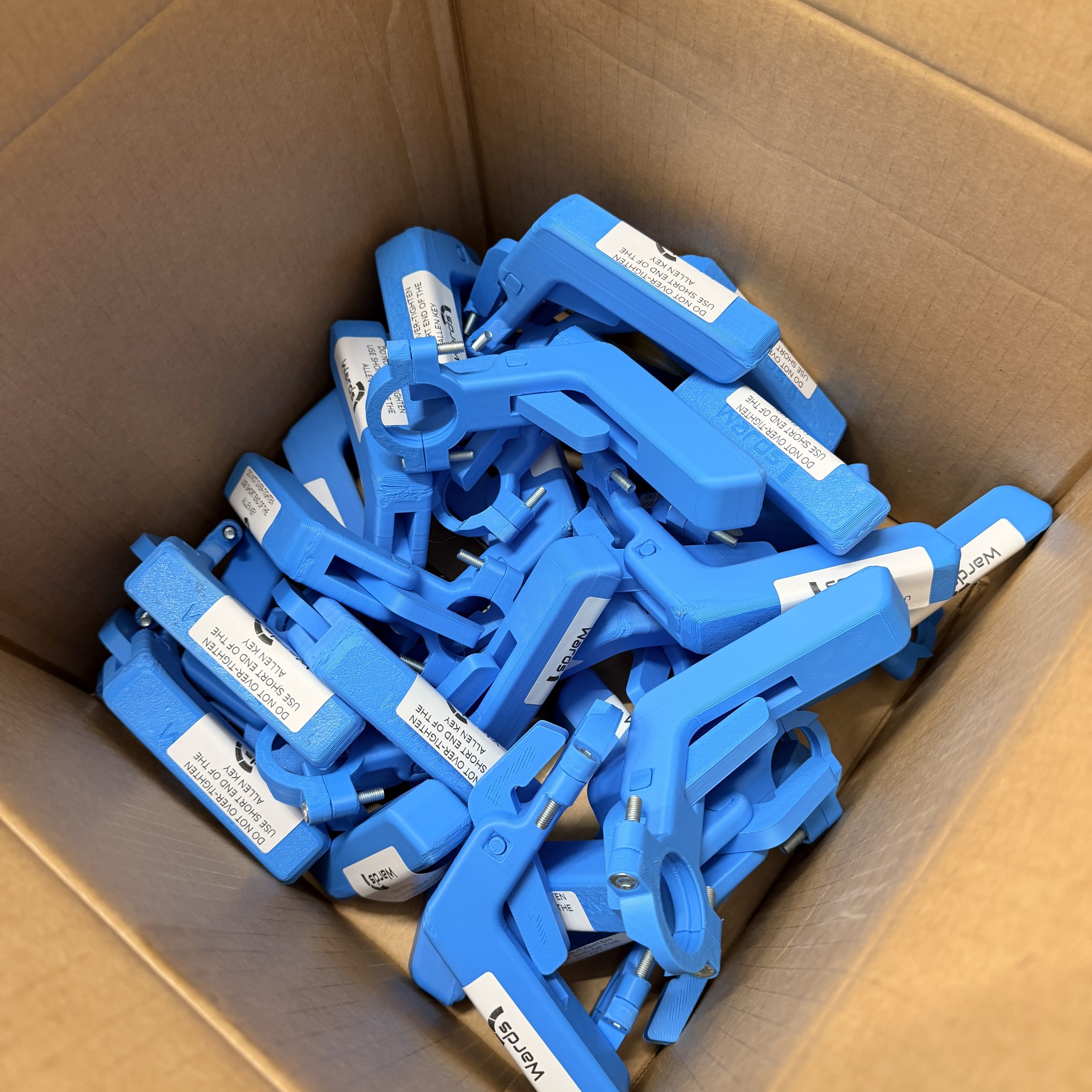
A capability page should show the work, not just describe it. These additional 3D printing Milton Keynes examples show the range of parts, development work and repeat-production components moving through our workshop.
A complete guide to 3D printing Milton Keynes
Explore our 3D printing capability, materials, applications, service areas and quote requirements for industrial parts, prototypes and production support.
Upload your files, view recent printed products and see how Wards supports industrial additive manufacturing work around Milton Keynes.
3D Printing Milton Keynes with workshop-led manufacturing support
3D printing Milton Keynes is most valuable when the printed component solves a real engineering problem. We produce parts for fit checks, assembly trials, fixtures, guards, holders, spacers, templates and low-volume plastic production where traditional tooling would slow the project down.
Because Wards Welding & Fabrications works across welding, fabrication, folding and machining, we do not force every project through a printer. If a part should be machined, fabricated or folded in metal, we will say so. That practical advice is a major advantage for industrial buyers.
Functional parts first
We focus on usable components for production, maintenance and engineering teams. 3D printing Milton Keynes can reduce waiting time when you need a bracket, gauge, housing, tray or jig quickly.
Design review
We can review geometry, wall thickness, material choice, orientation, quantity and tolerance expectations before printing, which helps reduce waste and rework.
Manufacturing backup
If the design moves beyond printed plastic, our wider capability can support CNC machining, metal fabrication, welding and folding through the same workshop route.
Repeatable supply
We support one-off proofs and repeat batches, making 3D printing Milton Keynes useful for pilot work, workshop tooling and low-volume end-use components.
Printers and filament preparation for 3D printing Milton Keynes
For 3D printing Milton Keynes, our current additive cell is built around three Bambu Lab printers. We use different machines for different jobs rather than treating every order the same. The X1E gives us an enclosed engineering-material platform, while the two A1 machines add flexible production capacity for suitable materials and repeat parts.
Bambu Lab X1E
Our primary engineering printer for enclosed, higher-temperature and fibre-reinforced material work where the application demands more than a standard prototype polymer.
- 256 x 256 x 256 mm build volume.
- Active chamber heating up to 60C.
- Suitable platform for PA, PC, ASA and carbon/glass-fibre reinforced engineering materials where appropriate.
- Used for functional tooling, wear components, production aids and demanding customer parts.
2 x Bambu Lab A1
The two A1 printers give Wards additional parallel output for prototypes and repeat batches, allowing work to be split across machines rather than waiting for a single printer to become free.
- 256 x 256 x 256 mm build volume per machine.
- Up to 500 mm/s stated maximum toolhead speed.
- Ideal for PLA, PETG, TPU and similar suitable production materials.
- Useful for repeat parts, customer products, samples and production support work.
Bambu Lab AMS HT
Material preparation matters. Moisture can affect print quality, surface finish and consistency, especially with engineering polymers, so filament drying is treated as part of the manufacturing process.
- Drying temperature up to 85C.
- Designed for high-performance filament drying.
- Air-tight filament storage helps keep prepared material controlled before printing.
- Supports a more repeatable route for moisture-sensitive materials.
If the work requires more capacity, we are open to investing in it
For 3D printing Milton Keynes, Wards does not expect a serious production customer to fit permanently around whatever equipment happens to be on our floor today. If a recurring order, contract or forecast creates a sound case for more capacity, we are prepared to review the requirement and invest in the machinery needed to support it.
For 3D printing Milton Keynes production work, that could mean additional printers, dedicated machines for one material or product family, further filament drying, spare hotends and build plates, material storage, inspection equipment, purpose-built racks, post-processing equipment or a dedicated additive production cell. The equipment decision would be based on the real volume, material, quality requirement, lead time and commercial commitment.
This approach is useful for buyers who are considering additive manufacturing for repeat supply but are concerned that a small print farm will become the bottleneck. We can start with samples or a pilot batch, prove the process, measure cycle time and then build a capacity plan around the confirmed demand.
What we would review before investing
- Forecast demand: weekly, monthly and annual quantities.
- Material: polymer type, drying requirements and changeover frequency.
- Cycle time: print hours per part, parts per plate and overnight utilisation.
- Quality: tolerance, inspection, traceability and appearance expectations.
- Resilience: spare capacity, backup machines and critical consumables.
- Commercial case: expected order duration, call-off pattern and target lead time.
Core services for 3D printing Milton Keynes
For 3D printing Milton Keynes, the services below are aimed at businesses that need parts to work in real conditions. 3D printing Milton Keynes can be used as a standalone process or as a development step before machining and fabrication.
Prototypes
Fast concept and functional prototypes for fit, form and practical testing before committing to tooling or machining.
Jigs and fixtures
Assembly aids, welding jigs, inspection fixtures, drill guides and holding tools for repeat workshop tasks.
Machine aids
Caps, covers, guards, sensor brackets, spacers, trays, plugs and custom machine accessories.
Production components
Low and medium quantity plastic parts where additive manufacturing is commercially suitable.
Tool storage
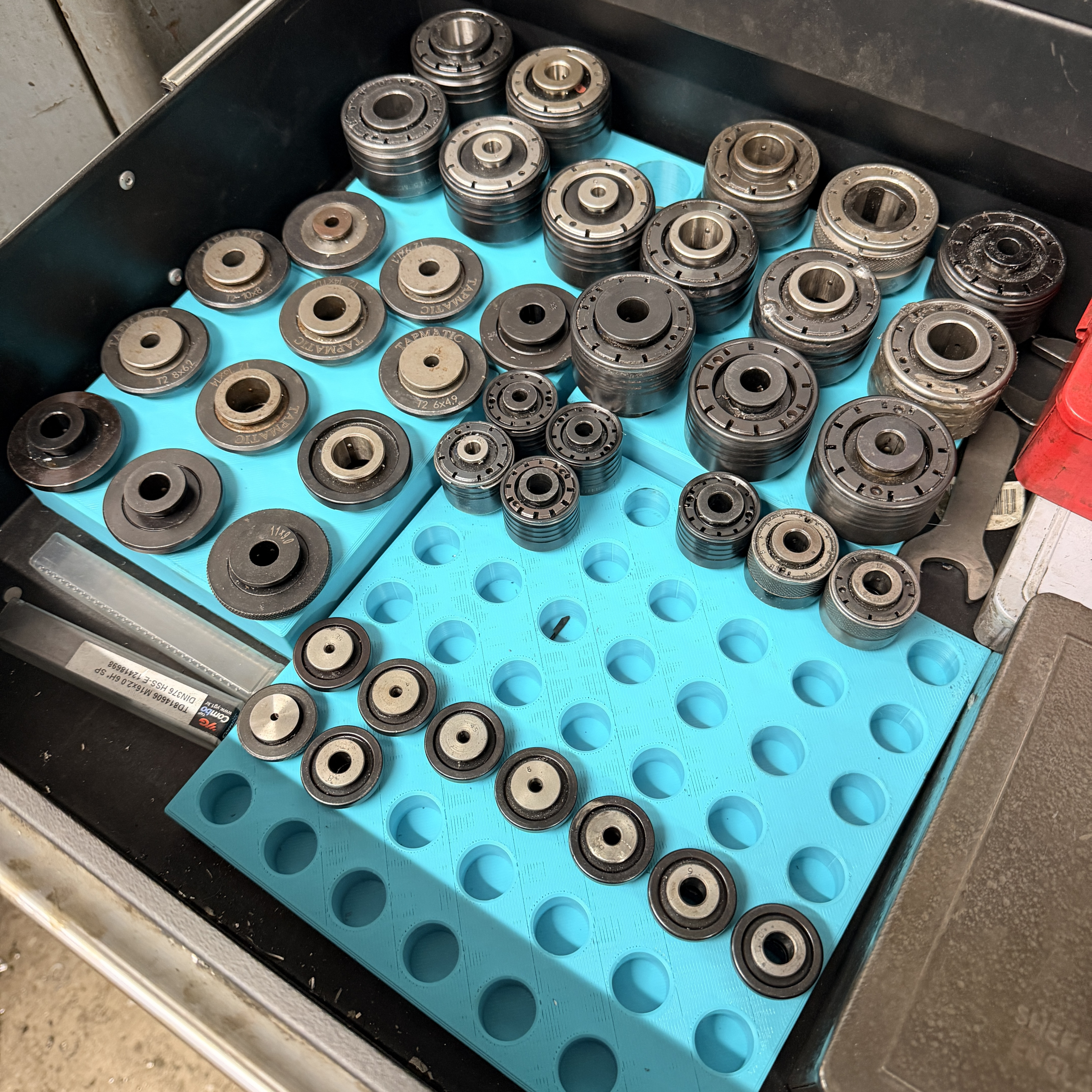
Packout inserts, drawer organisers, labelled tool trays and shadow-style storage systems.
Replacement parts
Obsolete, broken or awkward plastic items reverse-engineered from samples, sketches or measurements.
Design iterations
Quick revisions when your first version needs clearance changes, more strength, better fit or lower print time.
Manufacturing advice
Support deciding when 3D printing is better than CNC machining, fabrication, laser cutting or folding, and when another manufacturing route will be stronger or more cost-effective.
Where industrial 3D printing Milton Keynes creates value
For 3D printing Milton Keynes buyers, the strongest additive projects usually solve a manufacturing problem: a part is obsolete, an operator needs a repeatable jig, a machine requires a non-standard guide, a production tray needs identification, or a new design needs to be tested before money is committed to tooling.

Engineering and wear parts
PA6-GF, PA6-CF and other suitable engineering materials can be used for fixtures, spacers, wear components, brackets and machine aids where the design and duty suit additive manufacture.

Jigs, fixtures and soft tooling
Purpose-built holding, positioning and protection tools can reduce setup time and help operators repeat a process without paying for complex machined tooling.

Repeat production components
Once a part is proven, the same digital file can support repeat batches without conventional mould tooling, making low and medium volumes practical for the right geometry.
More proof, less brochure copy: the real-work section near the top of this page is linked to our Wards project library, so new 3D printed customer work can be added to the website and displayed as the portfolio grows.
Materials used for 3D printing Milton Keynes projects
For 3D printing Milton Keynes projects, material choice depends on the job. We consider stiffness, flexibility, heat, surface finish, UV exposure, part size, cost and quantity before recommending a print route.
| Material | Best for | Typical applications |
|---|---|---|
| PLA | Fast prototypes, concept models and visual checks | Trial parts, mock-ups, non-critical workshop aids and design approvals. |
| PETG | General-purpose functional plastic parts | Covers, trays, brackets, guards, holders and workshop accessories. |
| TPU | Flexible parts with grip or cushioning | Feet, soft guards, pads, inserts, seals and protective components. |
| ASA | Outdoor and UV-resistant applications | Exterior covers, weather-exposed brackets and durable outdoor housings. |
| PA6-CF | Rigid engineering parts needing extra strength | Fixtures, strong brackets, machine aids and functional tooling. |
| PA6-GF | Durable jigs and robust production aids | Industrial fixtures, handling tools and parts that need better stiffness. |
For wider manufacturing safety duties and workshop risk management, buyers can also review the HSE work equipment and machinery guidance. This is a followed external authority link and not a competitor.
Industries using local additive manufacturing
3D printing Milton Keynes supports teams that need faster development, practical workshop aids and repeatable plastic parts. The strongest results usually come from businesses that understand the job their component must perform.
Manufacturing
Printed products can support production lines with fixtures, holders, covers, guards and low-volume components where printed plastic is suitable.
Engineering
Useful for engineering teams developing prototypes, checking fit, trialling designs and solving practical workshop problems quickly.
Automation
Sensor mounts, cable guides, covers, brackets and small machine aids can often be produced quickly without waiting for tooling.
Maintenance teams
Maintenance teams can replace awkward plastic parts, make temporary aids and reduce downtime where a printed part is appropriate.
Motorsport
Motorsport teams can use printed products for brackets, mock-ups, ducting trials, jigging and quick design changes.
Universities
Universities can use local 3D printing for research rigs, student projects, test parts, enclosures and experimental fixtures.
Food processing
Food and packaging sites can use printed items for non-contact tooling aids, trays, holders, guides and prototype guarding ideas.
Research and development
R&D teams can iterate faster with physical parts for design reviews, fit checks, sample builds and early-stage testing.
Local service areas for local additive manufacturing
For 3D printing Milton Keynes, Wards is based in Milton Keynes and supports nearby businesses that need a local manufacturing contact rather than a remote anonymous print farm. For 3D printing Milton Keynes, local buyers can discuss drawings, materials and production options directly.
Milton Keynes
Support for prototypes, jigs, fixtures and production-ready plastic parts near Milton Keynes.
Newport Pagnell
Support for prototypes, jigs, fixtures and production-ready plastic parts near Newport Pagnell.
Bletchley
Support for prototypes, jigs, fixtures and production-ready plastic parts near Bletchley.
Wolverton
Support for prototypes, jigs, fixtures and production-ready plastic parts near Wolverton.
Buckingham
Support for prototypes, jigs, fixtures and production-ready plastic parts near Buckingham.
Bedford
Support for prototypes, jigs, fixtures and production-ready plastic parts near Bedford.
Northampton
Support for prototypes, jigs, fixtures and production-ready plastic parts near Northampton.
Towcester
Support for prototypes, jigs, fixtures and production-ready plastic parts near Towcester.
Cranfield
Support for prototypes, jigs, fixtures and production-ready plastic parts near Cranfield.
Leighton Buzzard
Support for prototypes, jigs, fixtures and production-ready plastic parts near Leighton Buzzard.
Aylesbury
Support for prototypes, jigs, fixtures and production-ready plastic parts near Aylesbury.
Olney
Support for prototypes, jigs, fixtures and production-ready plastic parts near Olney.
What to send for a 3D printing Milton Keynes quote
For buyers, the fastest way to price 3D printing Milton Keynes is to send the information that affects print time, material, finishing and design risk. You do not need perfect documentation, but better input leads to a better quote.
For 3D printing Milton Keynes quotes, send files to sales@wards-welding.com or use the contact page. Include quantity, material preference, deadline, use case and any fit-critical dimensions.
- STL, STEP, 3MF, drawing, sketch, photo or failed part sample.
- Overall size, key tolerances and whether the part is cosmetic or functional.
- Quantity now, likely repeat quantity and whether this is prototype or production work.
- Environment details such as heat, outdoor exposure, load, vibration or chemical contact.
- Whether the design may later need machining, fabrication or welding.
3D printing Milton Keynes for repeat supply, not just one-off prototypes
A prototype proves the geometry; production proves the process. For repeat 3D printing Milton Keynes work we look beyond whether one part can be printed successfully. We consider parts per plate, cycle time, machine utilisation, filament changeovers, drying time, inspection, packing and the backup capacity needed to keep supply moving.
Where an order is likely to repeat, we can retain the agreed manufacturing file and production settings so future batches follow the same route. If volumes rise, the job can be split across the X1E and A1 fleet where technically suitable, or the capacity can be expanded through investment where the commercial case supports it.
This makes 3D printing Milton Keynes useful for businesses that want to test additive supply at a manageable volume without ruling out future scale. The process can start with samples, move into a pilot run, then transition into scheduled repeat production once the design and demand are stable.
Practical checks before a part goes into use
For 3D printing Milton Keynes work, a printed component should be reviewed against the job it must perform. We look at load direction, layer orientation, wall thickness, hole size, mounting points, heat, handling, expected life and whether the design has sharp corners that may concentrate stress. These checks help turn a fast print into a usable workshop part.
Some parts are best treated as temporary aids, while others can become repeat production components. The difference depends on risk, material, duty cycle and whether the part is safety-critical. Wards keeps that discussion practical, so buyers understand what is sensible before relying on the component.
Tolerances
Printed parts are excellent for many forms and fixtures, but they are not a universal replacement for machined tolerances. We identify fit-critical areas early and suggest design allowance where needed.
Finish
Layer lines, support marks and surface texture should be expected unless a finishing route is agreed. For workshop tooling this is normally acceptable; for customer-facing parts it may need more planning.
Risk
Where a component carries load, protects an operator or affects machinery, we discuss the risk honestly. The right answer may be a stronger material, a redesign, a metal part or a combined assembly.
Why choose Wards for 3D printing Milton Keynes?
For 3D printing Milton Keynes, Wards approaches additive manufacturing as an engineering and production service. We can discuss the function of the part, how it is assembled, what material it sees, what can fail, how often it is required and whether another manufacturing process would give the customer a better result.
Real manufacturing judgement
We combine additive with welding, fabrication, folding and machining experience, so printed plastic is recommended when it makes practical sense rather than being forced onto every enquiry.
Three-printer in-house fleet
One X1E and two A1 printers give us a useful mix of engineering-material capability and parallel output for prototypes, trial runs and repeat batches.
Filament drying
Our AMS HT drying capability supports better material conditioning for moisture-sensitive engineering polymers instead of treating filament preparation as an afterthought.
Open to investment
If a confirmed production requirement needs more printers, drying, storage or dedicated equipment, we are prepared to review the commercial case and invest to support the demand.
Design-for-print support
We can advise on wall thickness, clearances, orientation, fixing points, tolerances, material selection and geometry changes before money is spent on a production batch.
Visible proof of work
Our website shows actual parts made for manufacturing, automotive, agriculture, production-line and workshop applications rather than relying only on generic capability statements.
Six-step process for local additive manufacturing
For 3D printing Milton Keynes orders, a clear process helps avoid wasted prints and makes the job easier to quote, schedule and repeat.
1. Review
We review the file, drawing, sketch or sample and check the intended use, size, quantity, deadline and any fit-critical areas.
2. Advise
We advise on material, design changes, print orientation, strength, finish and whether 3D printing is the most suitable process.
3. Design
Where needed, we adjust the CAD, prepare the model, check wall thickness and make the part easier to print or use.
4. Print
The product is printed using the agreed material and settings, with the aim of producing a useful component rather than just a visual sample.
5. Test
We check the finished part for obvious defects, fit concerns, surface finish and whether any changes are needed before repeat production.
6. Repeat or manufacture
If the part works, it can be repeated as a product made by Wards or developed further into a full project or alternative manufacturing route.
When 3D printing becomes a production method
For production buyers, 3D printing Milton Keynes is commercially strong when tooling cost is difficult to justify, demand changes, geometry is awkward, or a business needs parts before a moulded or machined route would be ready. The decision should be made on total production value rather than print weight alone.
For many customers the real saving is avoiding downtime, waiting for obsolete spares, repeated manual setup or expensive low-volume tooling. A printed component that keeps a line running, locates a product correctly or removes a recurring workshop problem can be valuable even when the individual part is not the cheapest object on the purchase order.
- Use additive manufacturing to prove designs before committing to tooling.
- Use it for jigs, gauges, soft jaws, guides and fixtures that improve repeatability.
- Use it to replace obsolete or difficult-to-source plastic components.
- Use it for low and medium volumes where mould tooling is not commercially justified.
- Use a pilot batch to establish cycle time and real production cost before scaling.
- Move to CNC machining, fabrication or another process when the duty demands it.
FAQs about 3D printing Milton Keynes
How much does 3D printing Milton Keynes cost?
Cost depends on material, print time, weight, geometry, support material, design work, quantity, finishing and tolerance expectations. Send your file or drawing and intended quantity for an accurate quote.
What 3D printers does Wards currently run?
Our current in-house additive fleet includes one Bambu Lab X1E and two Bambu Lab A1 printers. This gives us engineering-material capability plus additional parallel capacity for suitable prototype and repeat-production work.
Do you dry engineering filament before printing?
Where the material requires it, yes. We use a Bambu Lab AMS HT filament drying system with drying temperatures up to 85C to help condition moisture-sensitive materials before production.
Can Wards increase capacity for a larger contract?
Yes, where there is a sound commercial case. We are open to investing in additional printers, drying, storage, spares, inspection or dedicated production equipment when a confirmed workload or recurring forecast justifies the capacity.
What files do you accept for 3D printing Milton Keynes?
We can usually work from STL, STEP, STP, 3MF, CAD files, drawings, sketches, photos and physical samples. STEP files are generally best when design changes are likely.
Can Wards design the part for me?
Yes. If you have an idea, failed part, rough sketch or dimensions, we can help turn it into a printable design and advise on material and manufacturing route.
Can you print stronger engineering materials?
Yes. Where suitable, our X1E can support materials such as PA, PC, ASA and carbon or glass-fibre reinforced engineering polymers. Material choice still depends on the actual duty and design.
Is 3D printing suitable for production parts?
Sometimes, and increasingly so for the right applications. Quantity, material, loading, tolerance, finish, duty cycle and inspection requirements all matter. We can advise whether printed parts, CNC machining, fabrication or another route is more sensible.
Do you only serve Milton Keynes?
No. We focus on 3D printing Milton Keynes and nearby industrial areas, but we can support customers across the UK when the job suits our capability and shipping is practical.
Start your 3D printing Milton Keynes project
Send Wards your STL, STEP file, drawing, sample, sketch or manufacturing problem. Tell us what the part does, the quantity you need now, the quantity you may need later and the environment it will work in.
If the project grows beyond our current print capacity, tell us the forecast. For the right repeat-production requirement we can review additional machinery and dedicated equipment as part of the supply plan rather than treating today's capacity as a permanent limit.
Email sales@wards-welding.com or use the quote form below. We can support 3D printing Milton Keynes alongside machining, welding, fabrication, folding and laser cutting when a project needs more than one manufacturing process.