

Mild Steel Laser Cutting for Parts, Plates & Fabrication
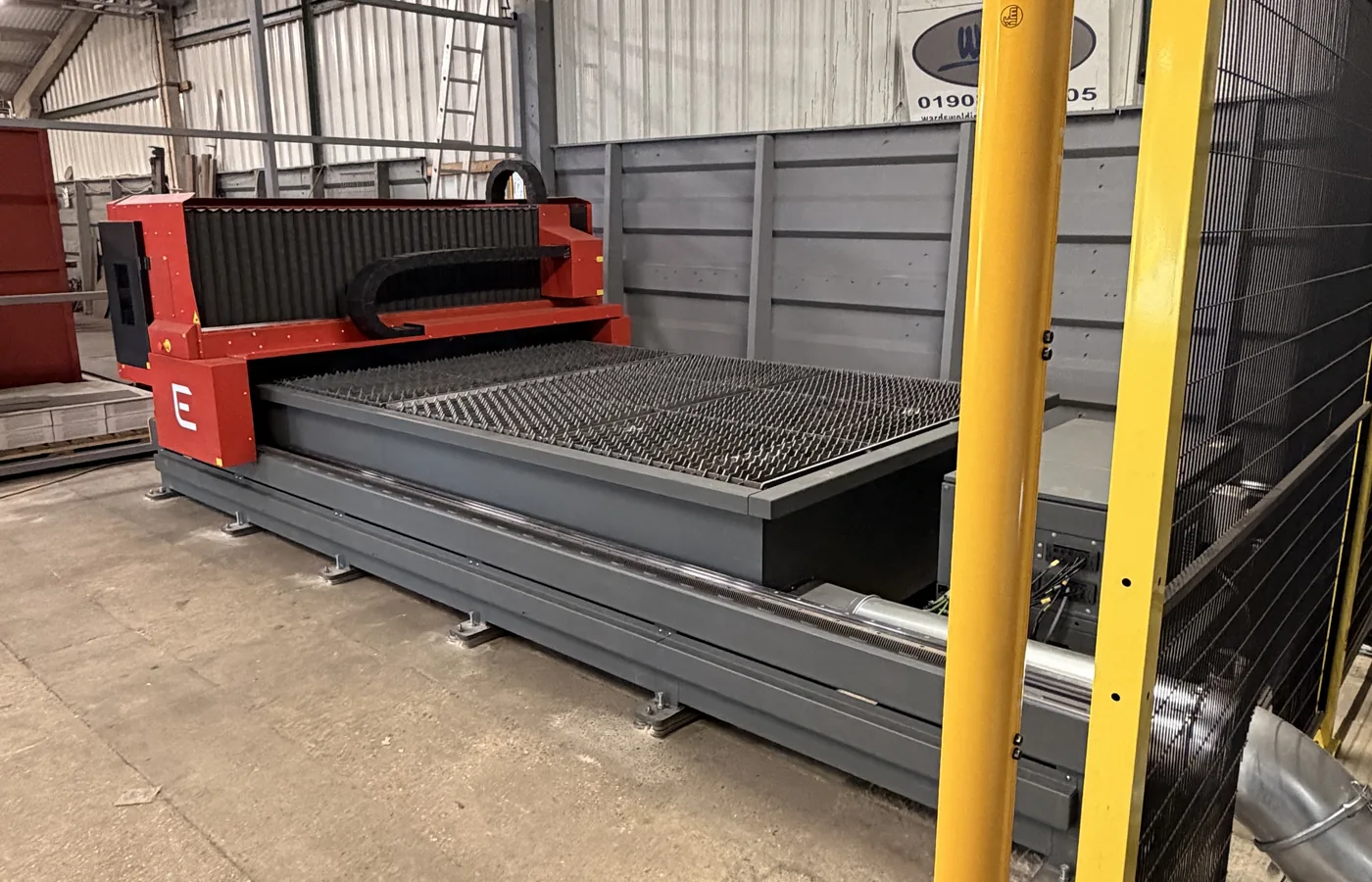
Mild steel laser cutting from Wards gives manufacturers, fabricators and engineering teams a direct route to accurate steel brackets, plates, gussets, panels, fabrication blanks and repeat production parts. Our 6kW Esprit Photon HD has a 4000 x 2000mm cutting area, with folding, welding, machining and fabrication available when the job needs more than a flat profile.
Mild Steel Laser Cutting at a Glance
Mild Steel Laser Cutting for Real Engineering Work
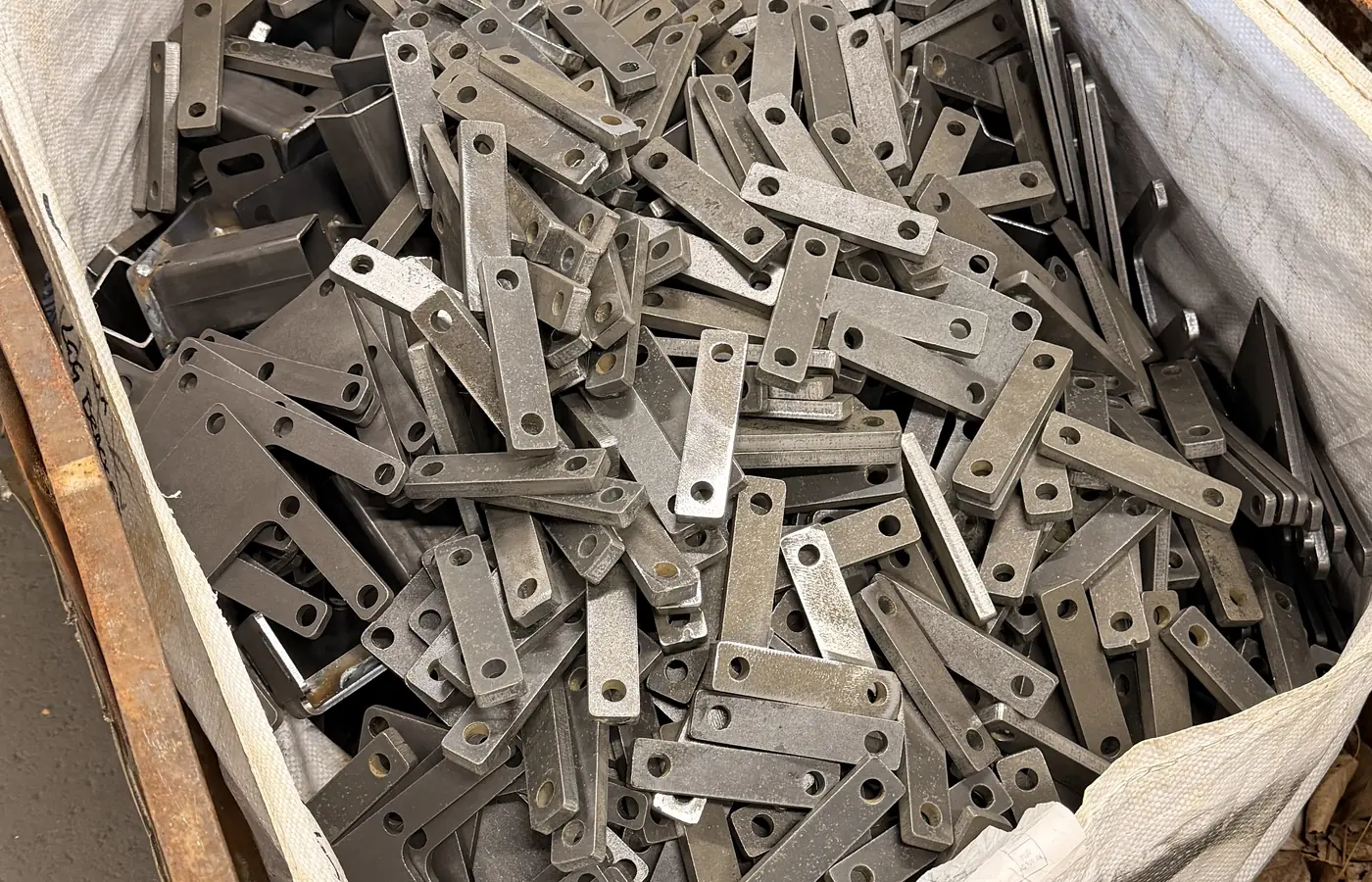
Our mild steel laser cutting service is aimed at buyers who need usable engineering parts rather than decorative profiles. Typical work includes mounting brackets, machine plates, gussets, base plates, frame components, guards, fabrication kits and production blanks that will later be folded or welded.
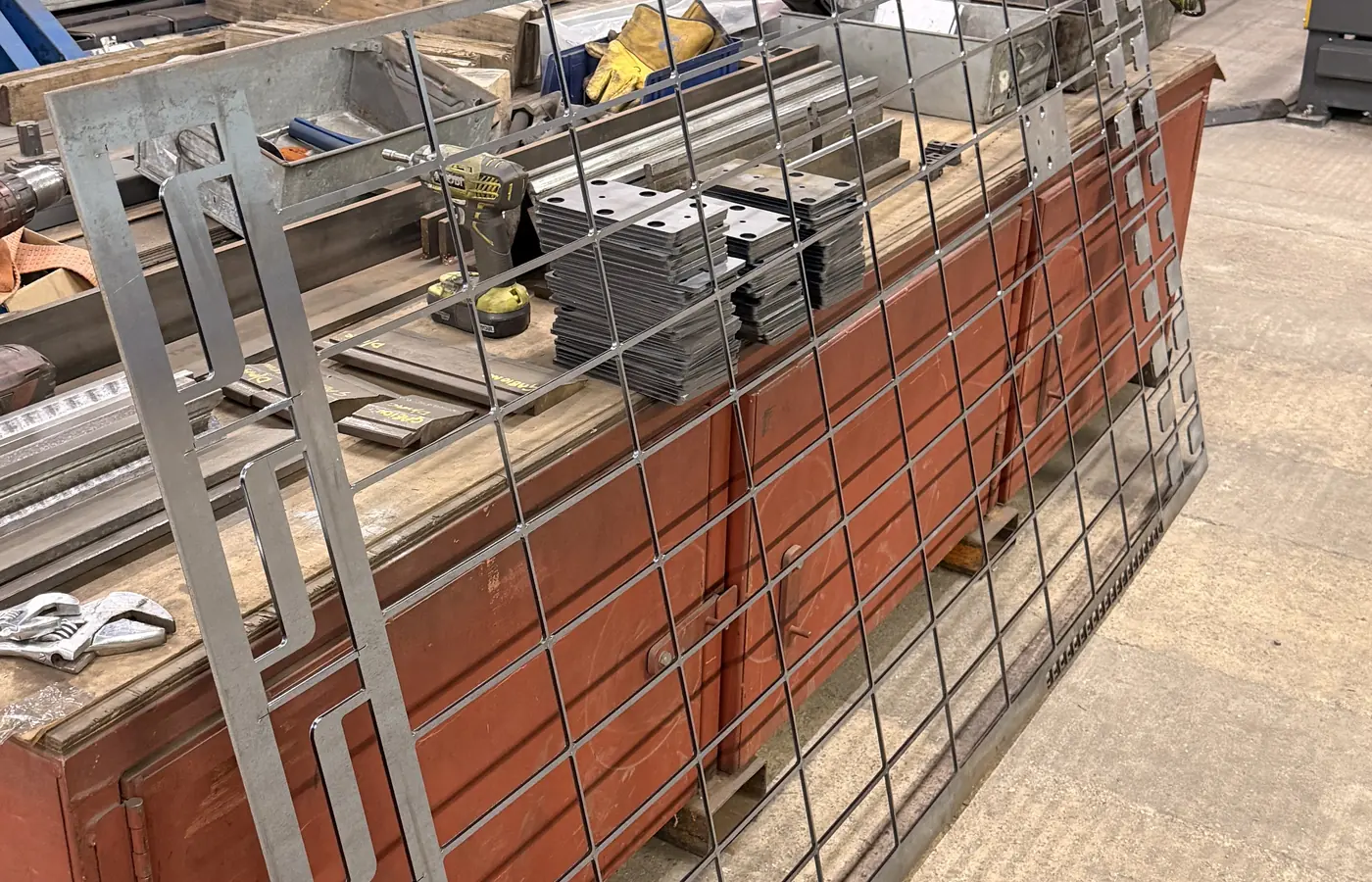
Mild steel remains one of the most practical materials in general engineering because it is widely available, cost effective and compatible with a broad range of fabrication processes. Laser profiling allows detailed external shapes, slots, holes and internal cut-outs to be produced directly from digital geometry without dedicated profile tooling.
Wards uses a 6kW Esprit Photon HD fibre laser with a 4000 x 2000mm cutting area. That gives our mild steel laser cutting service room for large plates, long profiles and efficient production nests as well as smaller brackets and repeat parts.
Because the laser sits inside a wider fabrication workshop, mild steel parts can continue into folding, MIG welding, machining and complete fabrication. For machine-specific thickness information, see our Fibre Laser Cutting Milton Keynes page.
Six Ways We Use Mild Steel Laser Cutting
The process can support both standalone profile supply and complete manufactured components. Our mild steel laser cutting work is organised around what the customer actually needs to buy.
Brackets & Mounting Plates
Flat or folded brackets with holes, slots and shaped edges for machinery, building services, plant and fabricated assemblies. Laser cutting gives consistent geometry across one-off and repeat parts.
Gussets, Tabs & Lugs
Mild steel laser cutting is well suited to repeated small fabrication components such as gussets, cleats, weld tabs, lugs and connection plates that would otherwise require extensive manual preparation.
Base Plates & End Plates
Machine bases, frame plates, support plates and end plates can include bolt patterns, slots, radii and shaped edges in the same profiling operation.
Fabrication Blanks
We can supply flat profiles ready for your own welding team or continue the job through Wards. This is useful for fabricators who need cutting capacity without outsourcing the complete assembly.
Cut & Fold Components
Suitable blanks can move from mild steel laser cutting into press brake folding for brackets, channels, trays, guards, panels and other formed parts.
Repeat Production
Approved parts can be reviewed for repeat batches, grouped nests and ongoing supply. Tell us expected order quantities and frequency when requesting the first quotation.
What We Make with Mild Steel Laser Cutting
Customers normally search for laser-cut mild steel parts because they already have a component in mind. The process is particularly useful for parts that need repeatable geometry before folding, welding, machining or assembly.
Machine Brackets
Equipment supports, sensor brackets, mounting plates and interface parts used on machines, fixtures and automation systems.
Structural-Style Plates
Connection plates, cleats, gussets and support plates for fabricated frames and equipment. Structural use must always follow the appropriate drawing, material and project requirements.
Guards & Panels
Flat blanks with access holes, ventilation, fixing patterns and shaped edges ready for folding or assembly.
Rings, Discs & Profiles
Mild steel laser cutting can produce circular and irregular profiles without the need for dedicated blanking dies, making it useful for both low quantities and repeat work.
Fabrication Kits
Grouped sets of plates, tabs, gussets and brackets can be supplied together for one welded assembly, reducing manual marking and cutting in the fabrication bay.
Replacement Parts
Where a suitable drawing or measured geometry exists, laser cutting can help reproduce worn or damaged flat steel profiles for repair and maintenance work.
Mild Steel Grades, Thicknesses & Drawing Requirements
For mild steel laser cutting, the drawing should identify the material grade rather than simply stating "steel" where the grade matters to function or certification. Common engineering grades can have different mechanical properties and documentation requirements, so the purchasing information must match the released design.
Wards can review common mild steel sheet and plate requirements such as S275 and S355-type engineering applications where appropriate to the job. We do not substitute material grades without agreement. If a customer drawing calls for a particular specification, that specification forms part of the quotation and manufacturing review.
Thickness also matters. It affects cutting parameters, part weight, bend behaviour, weld preparation and the smallest practical features in the profile. For current machine-specific one-off and production thickness capabilities, use the main fibre laser page rather than relying on a thickness figure copied from an older quotation.
Where material certification is required, state that before quotation. Mild steel laser cutting for controlled projects may need traceability, certificates or a defined material source. These requirements can affect purchasing and paperwork, so they should not be added after material has already been allocated.
If the part will be folded, state the finished dimensions, bend angles and any critical dimensions after forming. If it will be welded, provide the assembly drawing so we can understand how the laser-cut profile is used rather than treating it as an isolated blank.
Mild Steel Laser Cutting Before Folding & Welding
One of the strongest reasons to use Wards for laser-cut mild steel parts is the ability to continue the same parts into fabrication. The laser is not a separate online service bolted onto the business; it sits alongside our existing folding, welding and machining capability.
Laser Cut to Fold
A folded bracket begins with the flat pattern. Hole positions, bend lines, flange lengths and material thickness all interact. When Wards is responsible for both operations, we can review the cut blank against the intended formed part before production.
Laser Cut to Weld
Tabs, slots and locating features can sometimes help fabricators position parts during assembly. Where these features are specified by the design, accurate profiling can reduce manual marking and preparation before welding.
Fabrication Kits
Complete sets of cut parts can be grouped for one frame or assembly. This can include base plates, gussets, brackets, end plates and tabs ready for fabrication.
Finished Assemblies
Where suitable, mild steel laser cutting can be the first stage of a complete Wards job that includes folding, MIG welding, machining, inspection and delivery of the finished component.
For buyers, this reduces the number of suppliers involved in the job. Instead of purchasing flat profiles, arranging transport to a folder, then sending formed parts to a fabricator, one manufacturing route can potentially cover all three stages. That is particularly useful for repeat products where consistency and revision control matter.
Mild Steel Laser Cutting for UK Industry
Laser-cut mild steel components are relevant across almost every industrial sector because mild steel remains a core fabrication material. Wards focuses on practical engineering and manufacturing applications rather than decorative-only work.
Machinery & Automation
Machine frames, guards, brackets, access panels, mounting plates and production equipment components.
Construction & Plant
Plates, gussets, guards, supports and fabricated components for plant, site equipment and construction-related machinery.
HVAC & Building Services
Equipment plates, support brackets, frames and installation components used around mechanical and electrical plant.
OEM Manufacturing
Repeat mild steel laser cutting for components that form part of a larger product, machine or industrial assembly.
Waste & Recycling
Guards, machine components, repair plates and fabrication parts for heavy-use equipment and processing machinery.
General Fabrication
Subcontract cutting for other fabricators that need accurate profiles, additional capacity or a larger 4m x 2m cutting platform.
Mild Steel Laser Cutting from Milton Keynes
Wards Welding & Fabrications provides mild steel laser cutting from our workshop near Newport Pagnell, Milton Keynes. We support businesses across Milton Keynes, Bedford, Northampton, Buckingham, Aylesbury, Leighton Buzzard, Towcester, Wellingborough and surrounding industrial areas.
Suitable subcontract and production work can also be supplied to customers further across the UK. The key question is whether the drawing, material, thickness, dimensions and downstream processes suit our workshop capability.
If you are looking for a local supplier because you need fast technical communication or want to combine cutting with fabrication, send the complete drawing pack. We can review the job as a manufacturing requirement rather than simply pricing the length of laser-cut geometry.
What to Send for a Mild Steel Laser Cutting Quote
Clear manufacturing information is the quickest route to an accurate mild steel laser cutting quotation. The ideal enquiry includes the following details.
1. DXF Profile
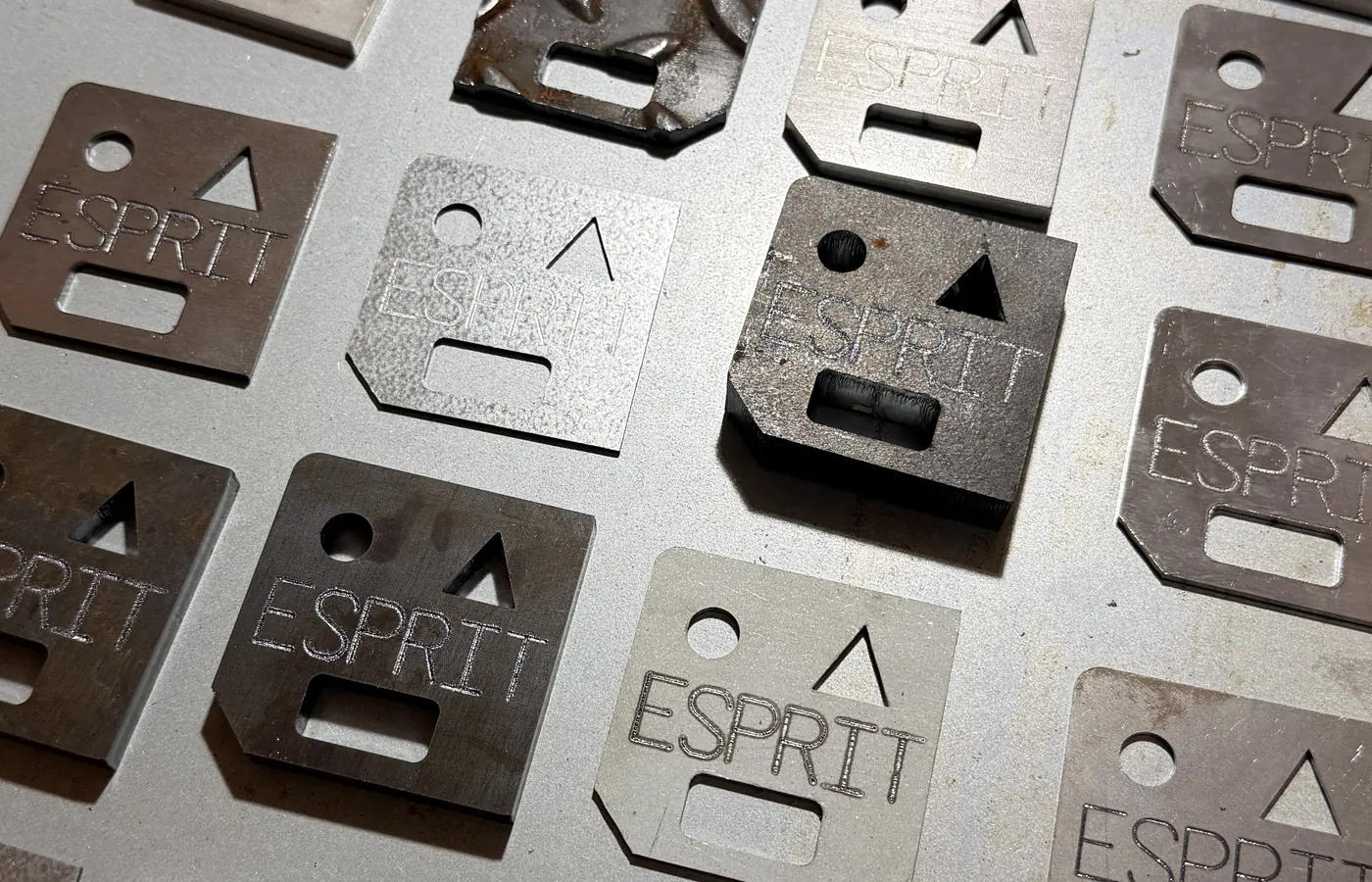
Provide a clean flat DXF where possible. Check scale, duplicate lines and broken geometry before sending the file.
2. PDF Drawing
Include dimensions, tolerances, material grade, revision, notes and any critical requirements that cannot be understood from the flat profile alone.
3. Grade & Thickness
State the actual steel grade and thickness. If certification or traceability is required, identify that at quotation stage.
4. Quantity
Tell us whether you need one development part, ten fabrication blanks or hundreds of repeat components. Quantity affects nesting and production planning.
5. Secondary Operations
Include folding, drilling, tapping, machining, welding, fabrication or finishing requirements so we can price the complete route where appropriate.
6. Required Date
Provide the target collection or delivery date. If the work is urgent or supporting a stopped production line, state that clearly when enquiring.
Best enquiry package
DXF + PDF + grade + thickness + quantity + operations + required date
Use our quote page or send the files directly to sales@wards-welding.com.
Why Choose Wards for Mild Steel Laser Cutting?
A laser cutter is only one part of the manufacturing route. Wards combines mild steel laser cutting with fabrication experience, a 4m x 2m machine platform and multiple downstream processes.
6kW Fibre Laser
The Photon HD gives us in-house profiling capacity for common engineering sheet and plate work.
4m x 2m Bed
The 4000 x 2000mm cutting area supports larger parts, long profiles and efficient nests of smaller components.
Fabrication Knowledge
We understand how the cut part will be folded, welded and assembled because those processes already form part of our core business.
Connected Processes
Use Wards for folding, welding, CNC machining and fabrication where the job requires them.
Repeat Production
Approved geometry can be reviewed for recurring mild steel laser cutting batches, helping customers establish a repeatable supply route.
Direct Technical Contact
Customers can discuss drawings, revisions and manufacturing questions directly with a fabrication business rather than relying solely on an automated quoting platform.
How to Get Better Results from Mild Steel Laser Cutting
The most successful laser-cut mild steel jobs start with controlled geometry. A DXF that contains duplicate lines, open contours or obsolete features creates unnecessary questions before production. If your design system exports flat patterns automatically, check that the file corresponds to the current drawing revision.
Use sensible feature sizes. Very small holes, narrow slots and tiny internal details can become impractical as material thickness increases. If a feature is functionally important, identify it on the drawing rather than assuming the cutting file communicates the complete requirement.
Think about what happens after cutting. If the plate will be welded into a frame, the orientation of slots and tabs may matter. If it will be folded, the flat pattern must account for the intended bending method. If holes are going to be tapped, you may need a suitable pilot diameter rather than the final thread size.
Part identification also matters on larger projects. Clear drawing numbers and revisions help stop similar profiles from being mixed during production and fabrication. If several components belong to one assembly, provide the assembly drawing or bill of materials so the relationship between the parts is clear.
Finally, tell us about repeat demand. A one-off repair bracket and a component expected to be ordered every month may use the same mild steel laser cutting process, but they are different purchasing requirements. Forecast information helps us understand whether we are quoting a single job or the start of an ongoing production requirement.
Our Six-Step Mild Steel Laser Cutting Process
Files & Requirements
Provide DXF, PDF, steel grade, thickness, quantity, further operations and required date.
Technical Check
We review the mild steel laser cutting geometry, material and manufacturing information before release.
Price the Route
The quotation covers cutting and any agreed folding, welding, machining or fabrication.
CAD/CAM & Nesting
Approved parts are programmed and arranged for the required sheet and production quantity.
Fibre Laser Production
Components are processed on the Photon HD according to the released manufacturing information.
Inspect & Continue
Parts are supplied flat or moved into agreed folding, welding, machining or fabrication stages.
Mild Steel Laser Cutting FAQs
What is mild steel laser cutting used for?
Mild steel laser cutting is used to produce brackets, plates, gussets, machine parts, guards, fabrication blanks and repeat production components directly from digital geometry.
What mild steel grades can you work with?
Wards can review common engineering mild steel grades where appropriate to the job. Always specify the required grade on the drawing and enquiry rather than using a generic description such as steel.
What size sheet can your laser handle?
The Esprit Photon HD has a 4000 x 2000mm cutting area, giving Wards capacity for large profiles and efficient production nests.
Can you cut one-off mild steel parts?
Yes, subject to suitability. Mild steel laser cutting works well for prototypes, replacement profiles and development parts as well as repeat batches.
Can you fold mild steel after laser cutting?
Yes. Suitable blanks can move into our press brake folding capability for brackets, trays, channels, panels and other formed components.
Can you weld the laser-cut parts?
Yes. Wards provides MIG and TIG welding and can combine cut parts into complete fabricated assemblies where the job suits our capability.
What file format should I send?
DXF is preferred for flat cutting geometry. Include a PDF drawing showing the material grade, thickness, quantity, tolerances, revision and manufacturing notes.
Can you produce repeat batches?
Yes. Approved parts can be reviewed for recurring mild steel laser cutting batches and ongoing supply requirements.
Do you supply other fabrication companies?
Yes. Fabricators can use Wards for cutting only, cut-and-fold work or a wider manufacturing package depending on their internal capacity.
Where is Wards based?
Wards Welding & Fabrications is based near Newport Pagnell, Milton Keynes, and supplies suitable work across the surrounding region and wider UK.
Need Mild Steel Laser Cutting?
Send Wards your DXF, PDF drawing, steel grade, thickness and quantity. We can quote mild steel laser cutting alone or include folding, welding, machining and fabrication where your parts need further manufacturing.